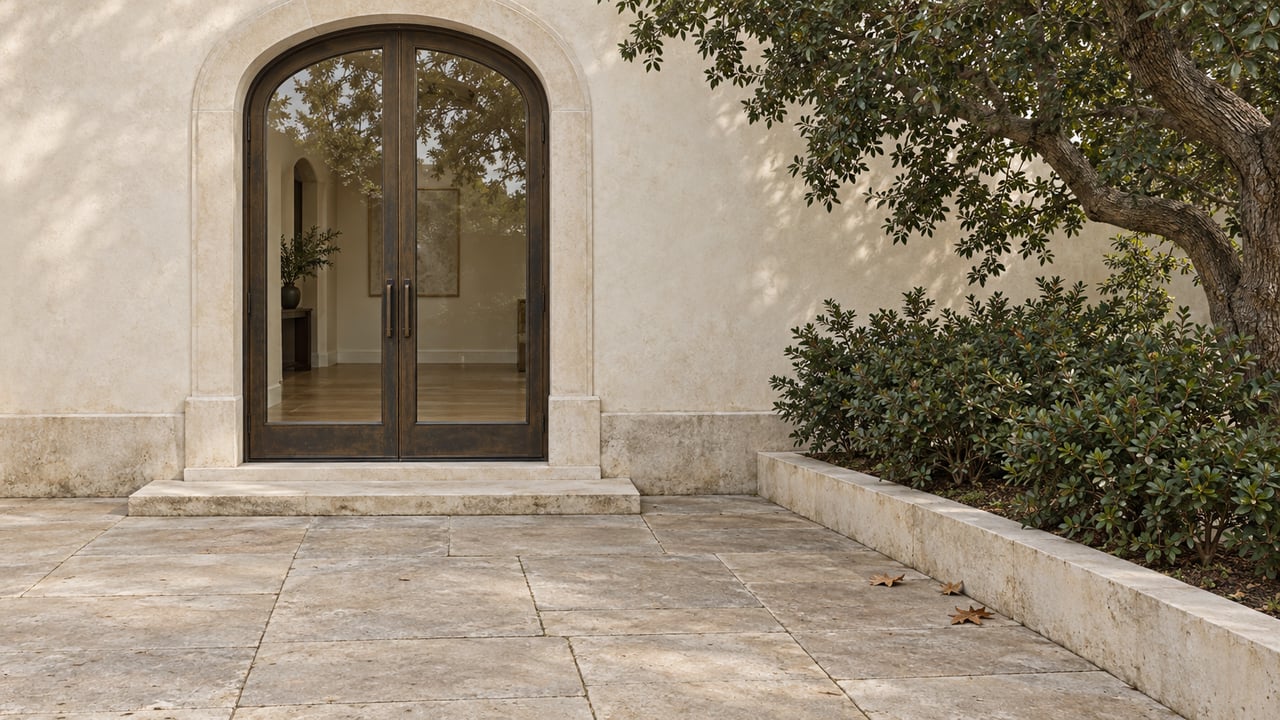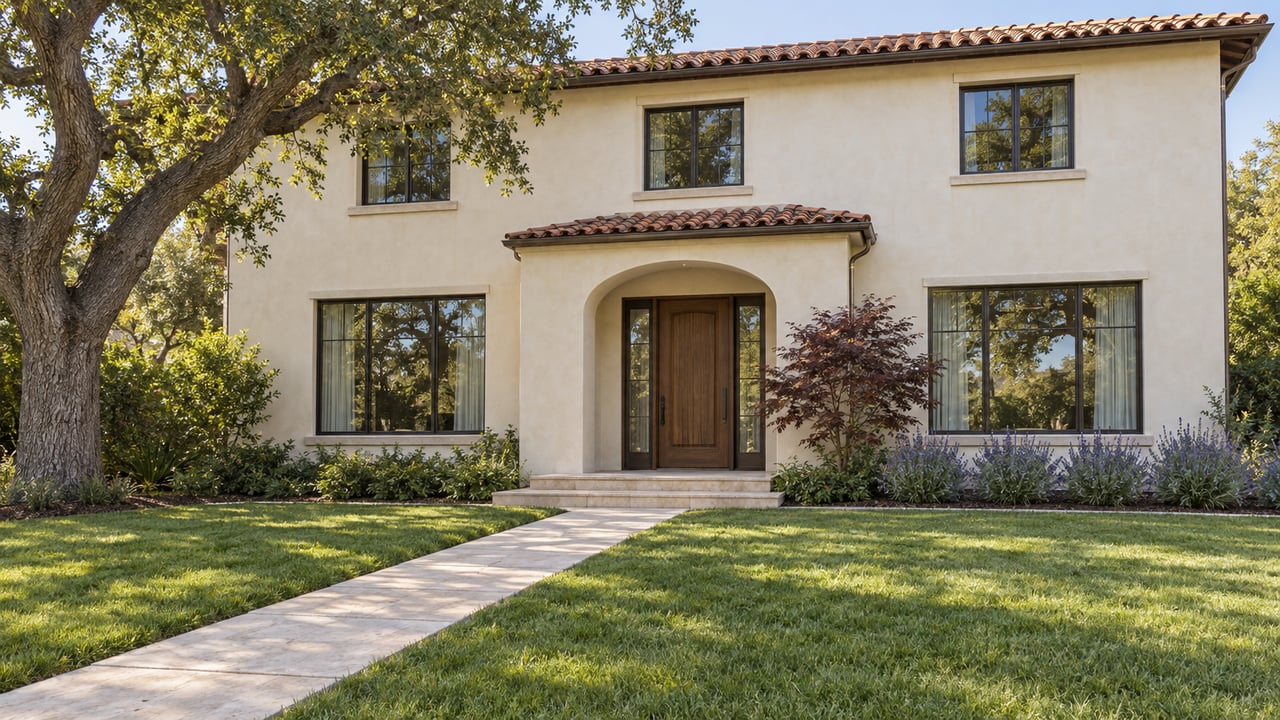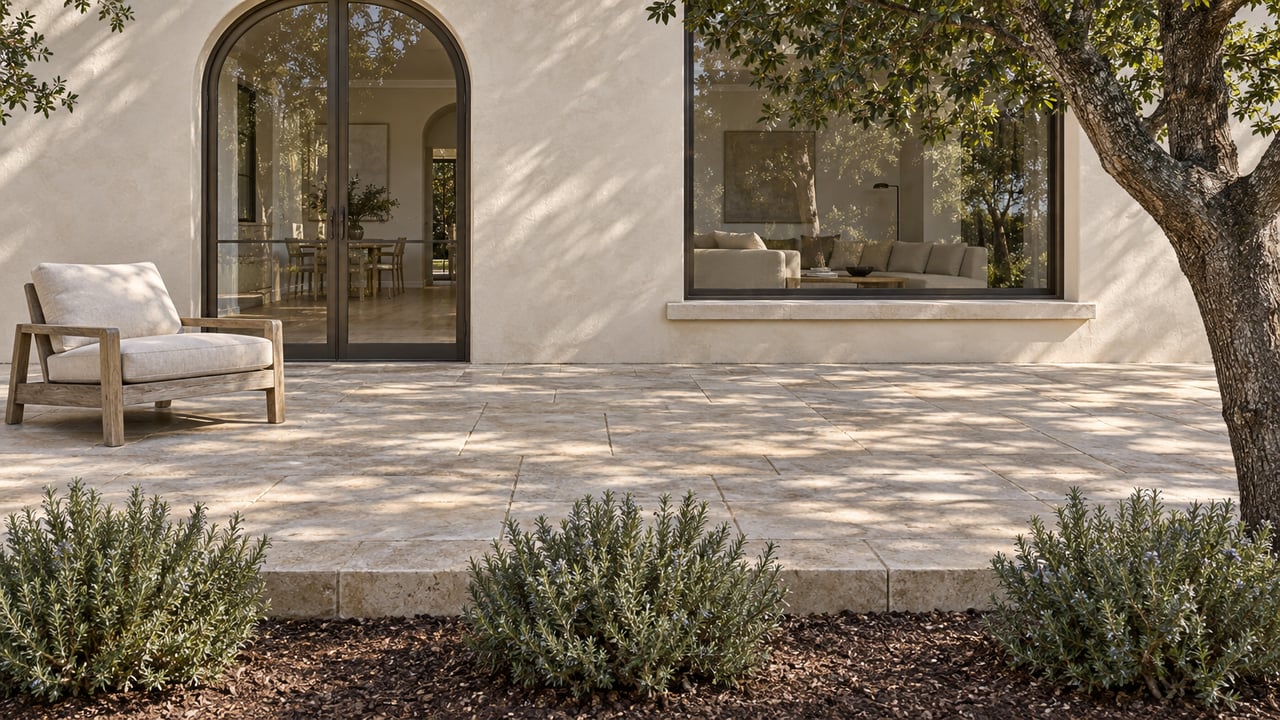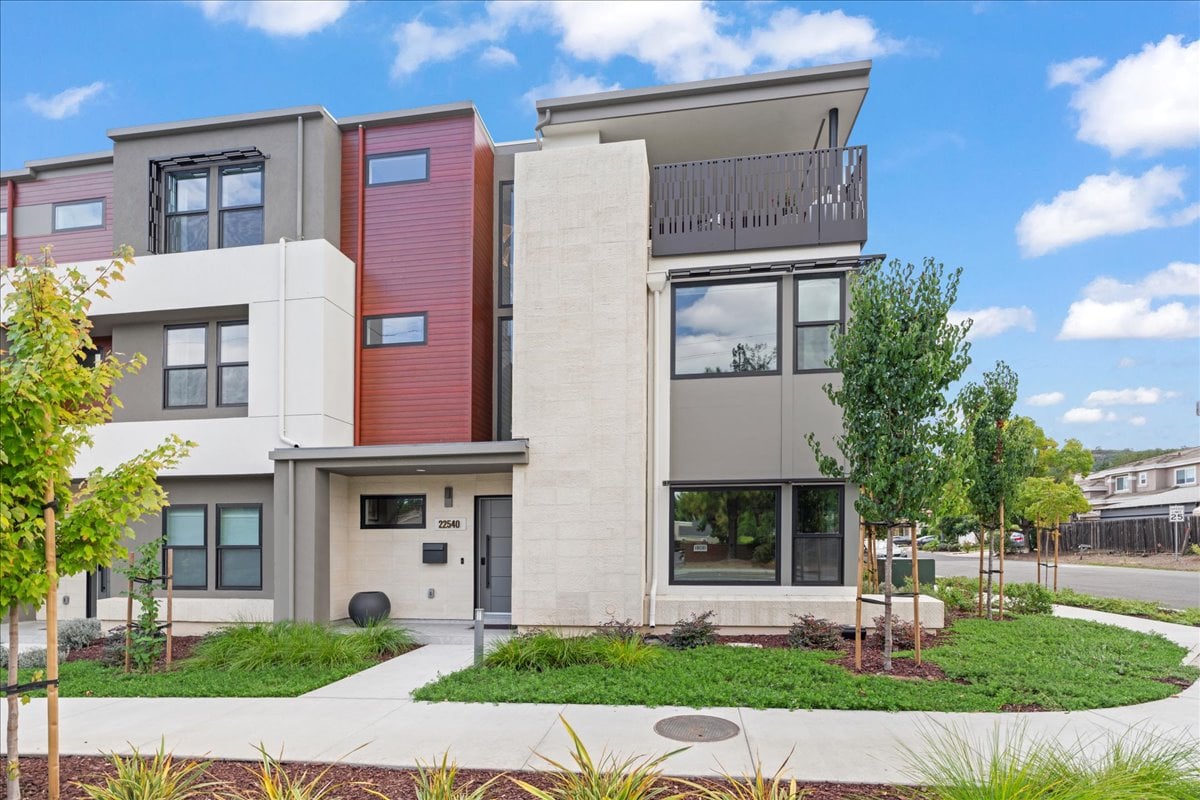
If you’re trying to buy in Mountain View, choosing the right home type can matter just as much as choosing the right address. In a market where detached houses, townhomes, and condos all play a meaningful role, your best fit often comes down to how you want to live day to day, how much maintenance you want to handle, and what your budget needs to cover. This guide will help you compare your options clearly so you can make a smart, confident move. Let’s dive in.
Why home type matters in Mountain View
Mountain View is not a one-size-fits-all housing market. Census data shows a broad mix of housing, with 36.6% of units in detached single-unit homes, 8.6% in attached single-unit homes, and 44.2% in buildings with five or more units. More than half of the city’s housing is in structures with two or more homes, which helps explain why condos and townhomes are a core part of the market.
That mix also reflects how the city has planned for growth. Mountain View’s planning work in downtown, East Whisman, and North Bayshore supports a combination of residential, commercial, and transit-oriented development. In practical terms, that means you’ll find very different living experiences depending on whether you want a more urban, lower-maintenance setting or a more private residential feel.
Start with your budget
Before you compare features, it helps to look at price ranges. Current market snapshots show a citywide median sale price around $2.0 million, with median listing prices around $780,000 for condos and $1.41 million for townhouses. A local market snapshot also points to single-family homes at the top of the pricing stack, with a March median single-family sale price of $2.95 million.
Those numbers matter because they shape what is realistic for your search. In Mountain View, the gap between a condo and a detached home can be significant, so the right home type may be the one that lets you buy comfortably without stretching beyond your goals. You also need to think beyond the purchase price, since ongoing housing costs are a meaningful part of the equation in a high-cost market.
Single-family homes: space and flexibility
If you want the most control over your property, a single-family home usually offers the clearest path. In Mountain View, this home type often appeals to buyers who want private yard space, parking, and room to adapt the property over time. The city’s single-family residential guidance also highlights the possibility of ADUs and JADUs, which can add independent living space on the same lot.
That flexibility can be a major advantage if your needs may change. You may want extra room for work, guests, or multigenerational living, or you may simply value having more separation from neighbors. Detached homes generally provide the strongest sense of privacy and the widest range of long-term use options.
There are tradeoffs, of course. The owner typically carries more of the upkeep directly because there is no HOA buffer for common areas in the city’s single-family residential context. You should expect to take a more hands-on role with maintenance, landscaping, and exterior responsibilities.
What to know about single-family upkeep
Mountain View’s Single-Family Residential Guide applies to residential zoning districts without HOAs. It notes that most streets serving these homes are public and city-maintained, and it outlines minimum parking standards of one covered and one uncovered space. It also notes that many trees are private rather than city-regulated, which can affect how you think about ongoing property care.
For some buyers, that level of responsibility is worth it. If you value autonomy, outdoor space, and future expansion potential, a detached home may still be the strongest match despite the higher cost and maintenance load.
Townhomes: the middle ground
Townhomes often offer a balance between space and simplicity. In Mountain View, current listings show a median listing price around $1.41 million, with examples commonly ranging from about 984 to 1,980 square feet. That makes townhomes an important option for buyers who want more room than a typical condo but are not ready for the price or upkeep of a detached home.
Many buyers are drawn to the way townhomes can feel more house-like. Some current examples include end-unit layouts, private balconies, and gated front patios. Features like these can give you a bit more breathing room while still keeping maintenance more manageable than it would be with a standalone property.
How HOA living affects townhomes
In California, when you buy a townhouse or condo in a common interest development, you automatically become a member of the association. Guidance from the California Department of Real Estate explains that associations typically handle day-to-day common-area maintenance and long-term replacement for items such as landscaping, parking areas, drainage gutters, and outdoor lighting. Depending on the governing documents, you may still be responsible for interior surfaces and some exclusive-use features such as patios, decks, front doors, or roofs.
That shared structure is often the key tradeoff. You may gain convenience and predictable common-area maintenance, but you also need to be comfortable with HOA dues, shared rules, and the fact that not every part of the property is fully under your control.
Condos: lower entry price and less exterior work
If your top priorities are a lower buy-in and less exterior maintenance, a condo may be the most practical fit. Current Mountain View listings show a median listing price around $780,000, with examples roughly ranging from 551 to 1,168 square feet. For many buyers, that makes condos the most accessible entry point into this market.
Condos often make the most sense if you want a simpler lifestyle. You may be comfortable with a smaller footprint and less private outdoor space if it means lower maintenance demands and a more attainable price point. In a city where housing costs are high across the board, that trade can be well worth it.
Where condos often fit best
Mountain View’s more urban housing environments are generally tied to downtown and the city’s precise-plan areas. Based on the city’s planning framework, condo and townhome options near these areas often feel more walkable and lower-maintenance, while detached-home areas often feel more private and residential. That is a general pattern, not a guarantee for any one address, but it can be a helpful way to frame your search.
If easy access to downtown activity or transit-oriented areas matters to you, condos may deserve a close look. If you would rather prioritize space and separation, another home type may fit better.
The simplest way to choose
If you feel stuck, start with four practical questions:
- How much exterior maintenance do you want to handle yourself?
- Do you want HOA dues in exchange for shared upkeep?
- Do you need yard space or future expansion potential?
- Is downtown access worth a smaller footprint?
Your answers can narrow the field quickly. In Mountain View, the simplest shorthand is this: single-family homes emphasize space, privacy, and flexibility; townhomes offer a middle ground; and condos focus on lower-maintenance, lower-entry-price living.
What buyers should watch closely
No matter which home type you prefer, look carefully at total ownership costs. In a common-interest property, review what the HOA maintains and what remains your responsibility. In a detached home, think through the time and money needed for ongoing upkeep, especially if you want a property with outdoor space or long-term improvement potential.
It also helps to compare your daily lifestyle rather than just square footage. A smaller home in a more convenient setting may serve you better than a larger home that adds cost, commute time, or maintenance you do not actually want. The right choice is usually the one that supports how you plan to live in Mountain View now and in the next few years.
What sellers should keep in mind
If you own in Mountain View and plan to sell, your home type shapes how buyers evaluate value. Condo and townhome buyers often focus on dues, maintenance responsibility, layout efficiency, and location convenience. Single-family buyers are more likely to compare lot use, privacy, parking, yard space, and flexibility for future living needs.
That means your sale strategy should match the product. Clear positioning, strong presentation, and a smart understanding of what buyers in that segment value most can make a real difference in how your property competes.
If you want tailored guidance on buying or selling in Silicon Valley, Douglas Marshall offers experienced, high-touch representation grounded in local market knowledge and a clear, strategic process.
FAQs
What home type is usually the least expensive to buy in Mountain View?
- Based on current market snapshots, condos usually have the lowest entry price, with a median listing price around $780,000.
What home type offers the most privacy in Mountain View?
- Single-family homes generally offer the most privacy, along with more yard space and greater flexibility for future use.
What should buyers know about HOA responsibilities in Mountain View condos and townhomes?
- In a common interest development, the association typically handles common-area maintenance, while owners may still be responsible for interiors and some exclusive-use features depending on the governing documents.
What makes a townhome a middle-ground option in Mountain View?
- Townhomes often provide more space and a more house-like feel than condos, while still offering shared maintenance structures that can reduce exterior upkeep.
Are condos and townhomes common in Mountain View?
- Yes. Census housing data and the city’s planning framework both show that multi-unit and attached housing are an established part of Mountain View’s housing mix.
What should sellers highlight when marketing different home types in Mountain View?
- Sellers should emphasize the features buyers care most about for that property type, such as convenience and lower maintenance for condos, balanced space and function for townhomes, or privacy and flexibility for single-family homes.