Planning to list a luxury home in Monte Sereno this year? In a small, high-value market like this, early choices can shape your entire outcome. You want a smooth sale, strong offers, and minimal disruption. This guide gives you a clear 60-120 day roadmap, from inspections and cosmetic updates to staging, marketing, and privacy decisions. Let’s dive in.
Monte Sereno luxury market: what to expect
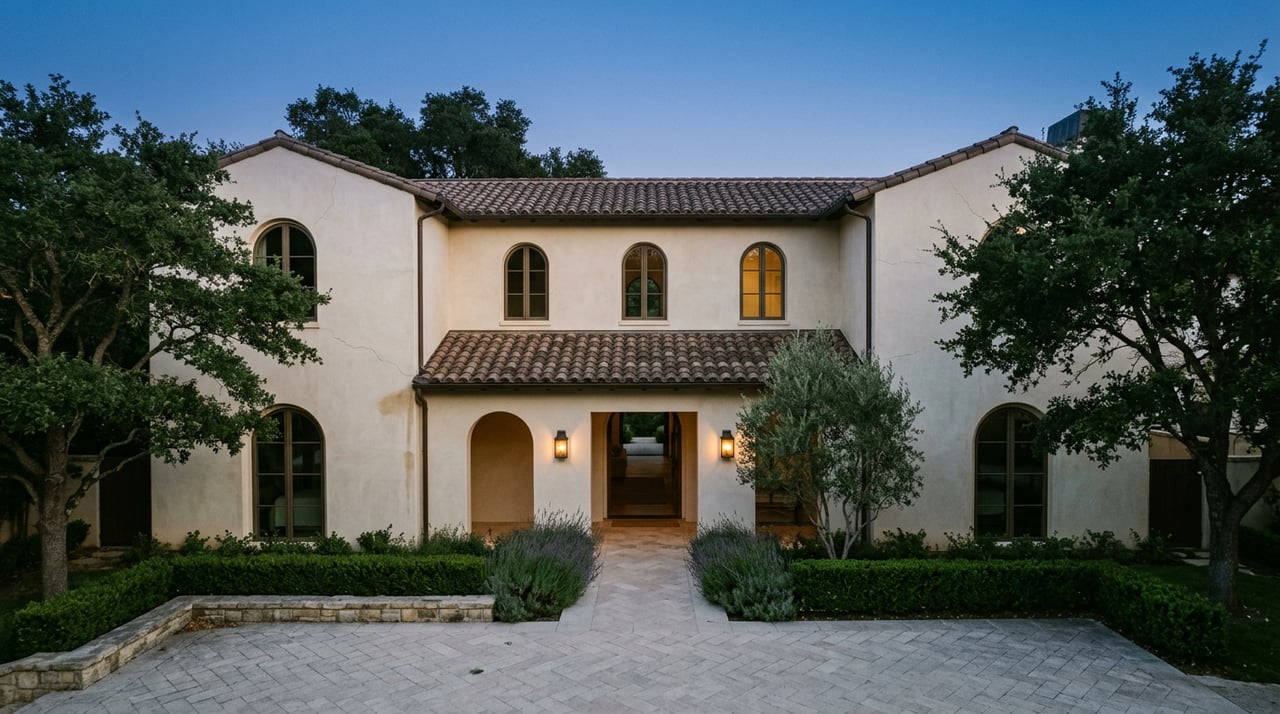
Monte Sereno is a low-inventory, high-price market of primarily single-family homes on larger lots with mature landscaping and privacy. Many buyers are high-net-worth individuals with Silicon Valley ties who value privacy, turnkey condition, and premium outdoor living. Because the pool is small, each listing competes in a tight arena where presentation and confidentiality can matter as much as price.
Expect individualized marketing. Broker tours, private previews, and targeted outreach to known buyers and buyer’s agents often complement MLS exposure. Condition and presentation carry real weight. Visible deferred maintenance or dated high-end finishes can affect perception and price. Some sellers prefer limited public marketing, so weigh confidentiality options carefully with your listing broker.
What this means for you
- Invest in condition and presentation to meet turnkey expectations.
- Plan for a mix of public and private marketing tailored to your home.
- Decide early how you will handle privacy and showing access.
Your 60-120 day game plan
Start with pricing and permits
Begin backward-planning from your ideal list date. Get a comparative market analysis to set expectations on price and timing. Order a permit history check and review title basics so you can address gaps or documentation questions before buyers ask. This early prep helps you avoid delays once you are live.
Choose inspections early
Pre-listing inspections help you spot issues, set priorities, and support pricing. In Monte Sereno, many sellers consider:
- General home inspection covering structure, roof, and major systems
- Pest and wood-destroying organism inspection and possible clearance
- Roof and chimney inspection
- Sewer lateral or scope, especially for older systems
- Pool and spa equipment inspection
- Specialist inspections when relevant: hillside or retaining wall, soil stability, HVAC or heat pump, solar system performance, septic or well (if present), and smart-home or security system documentation
You do not need to inspect everything. A practical approach is to selectively pre-inspect higher-risk areas rather than ordering a full suite by default.
Pre-listing inspections: how they help
Inspections identify issues early, reduce surprises during escrow, and give you a clear plan for repairs, credits, or pricing. They also increase buyer confidence in a luxury segment where turnkey condition is prized. In California, you must still provide required disclosures, including the Transfer Disclosure Statement listing known material facts. Pre-inspections do not remove disclosure obligations. They simply help you disclose accurately and decide how to address findings.
Pros include smoother escrows, fewer last-minute renegotiations, and stronger marketing materials. Cons include the cost of inspections and the fact that issues will be documented for buyers to review. The key is to use findings to your advantage with a focused plan.
Repair, disclose, or credit?
Use inspection results to create a prioritized list with cost estimates. Address safety or functional items first. Minor cosmetic issues are often worth fixing to avoid buyer objections. For major structural or system issues, compare the cost and time to repair against the benefit of offering a credit or adjusting price. Your decision should reflect market conditions, timeline, and the likely buyer’s preferences.
Cosmetic updates that move the needle
Luxury buyers here expect quality finishes, clean lines, and polished outdoor living. Strategic updates can elevate perceived value without heavy renovation.
Focus on first impressions
- Declutter and depersonalize so rooms feel open and functional.
- Refresh paint with a neutral palette where colors feel dated.
- Update lighting and fixtures, and verify dimmers and color temperature.
- Deep clean, including professional floor cleaning or refinishing.
Kitchens and baths
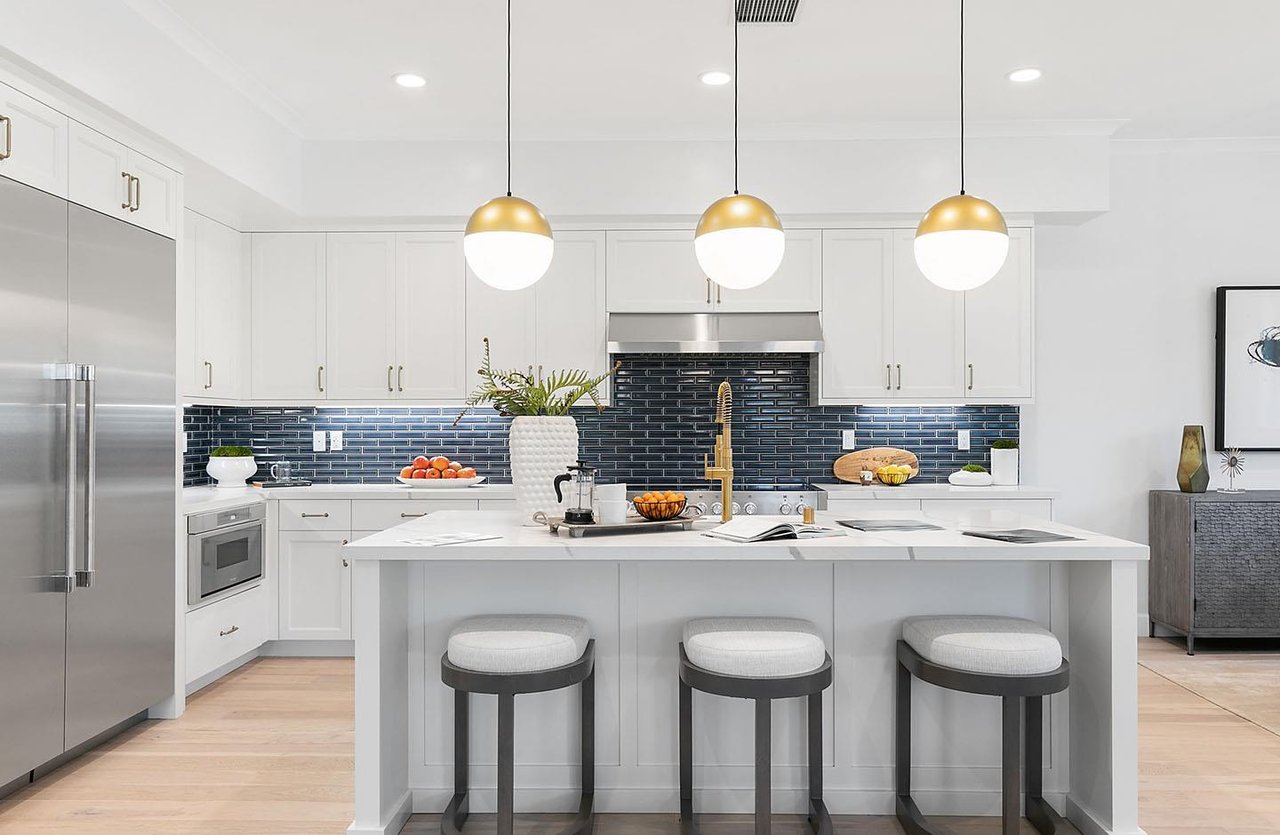
- Replace dated hardware and upgrade select lighting.
- Refinish cabinetry or replace key doors if worn.
- Reseal stone counters and clean or reglaze surfaces where needed.
- Ensure appliances are clean and operating properly.
Windows, access, and outdoor living
- Service windows and sliders so they operate smoothly.
- Repair visible rot or damage and ensure screens are clean.
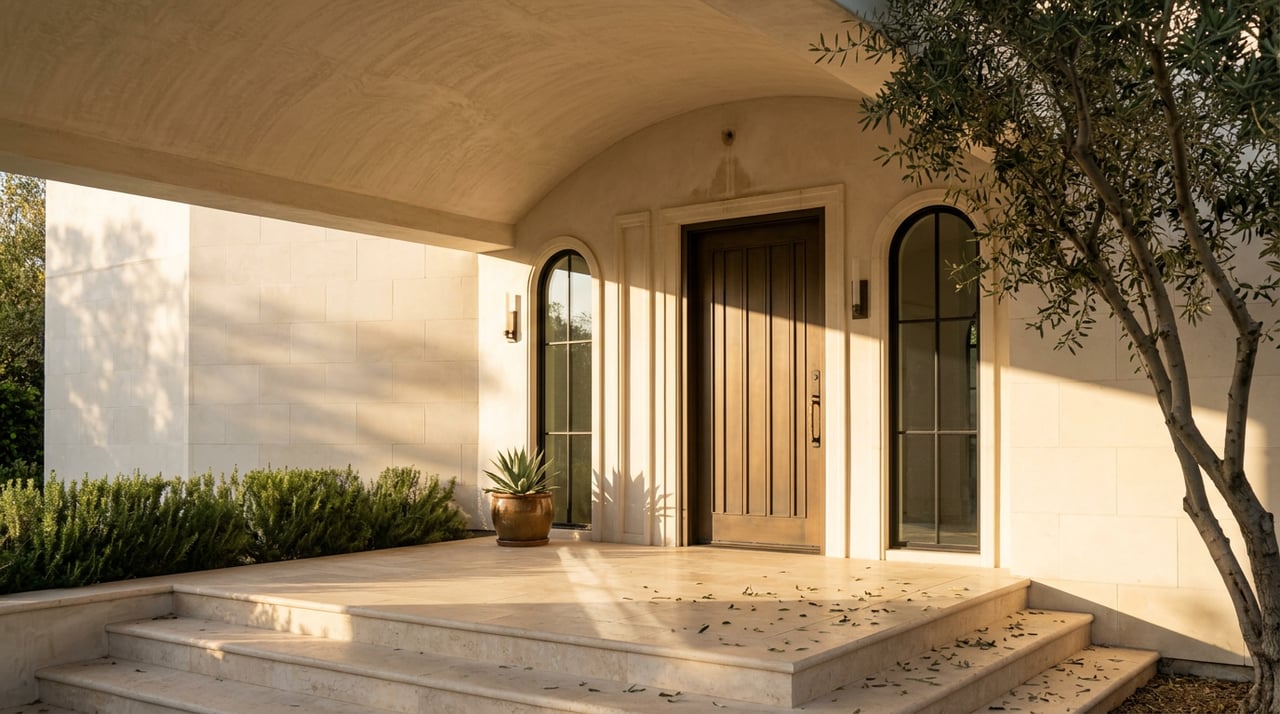
- Improve curb appeal with trimmed hedges, fresh mulch, pressure washing, and a tidy entry.
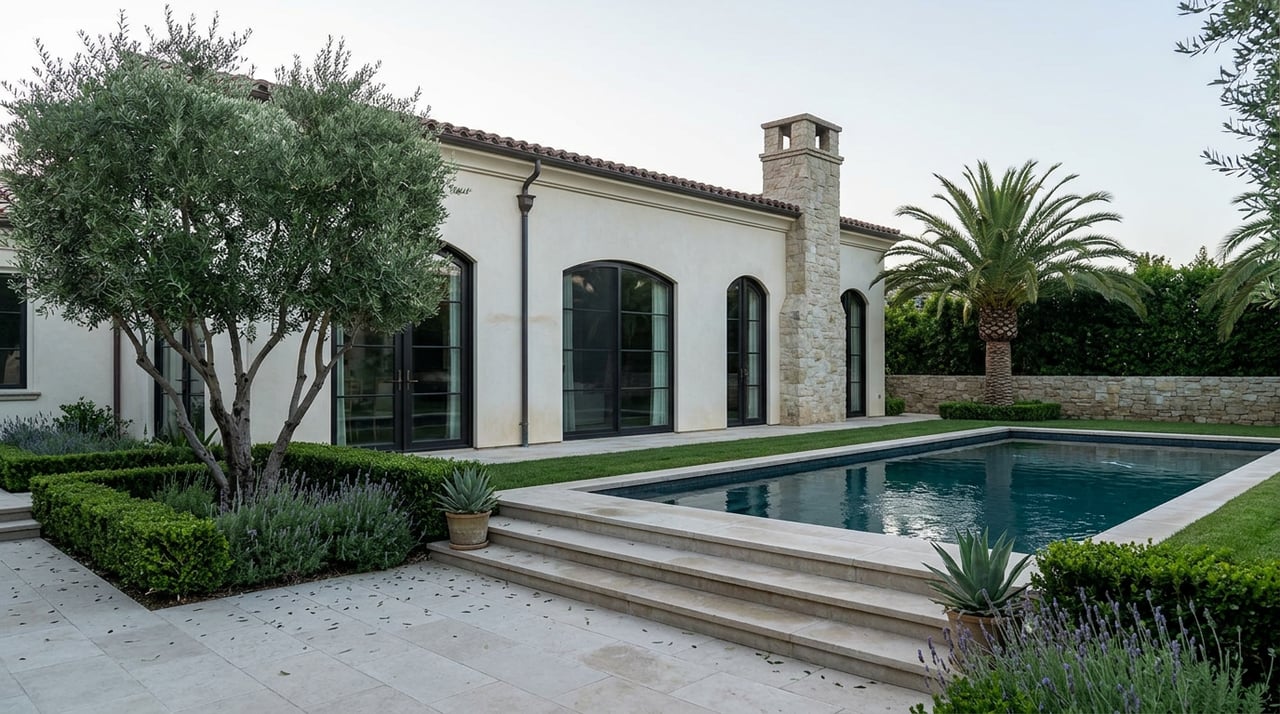
- Stage outdoor areas to showcase dining, lounge, pool or spa, and privacy.
Staging strategy for impact
Staging helps buyers understand how spaces live and supports a lifestyle narrative. In luxury listings, it often sets the tone for privacy, entertaining, and indoor-outdoor flow. Many buyers at this level expect professional staging, especially if the home is vacant or highly personalized.
Full vs partial staging
- Full staging fits vacant homes or when flow needs definition.
- Partial staging focuses on key spaces: living, dining, kitchen, family room, primary suite, and primary outdoor areas.
Style and scale
Staging should reflect the likely buyer’s taste and the home’s architecture. Keep decor elevated and neutral. Avoid hyper-trendy statements. Use scale-appropriate art and textiles that complement volume and natural light.
Budget and ROI
Costs vary by home size, furnishing level, and term length. Request 2-3 bids from luxury stagers with local success. Industry research indicates staging can shorten days on market and help reduce price reductions, which matters in a small high-end market.
Practical staging steps
- Clean, declutter, and depersonalize.
- Assess existing furnishings and remove or replace nonessential items.
- Hire a luxury stager to create a room-by-room plan.
- Complete staging before photography and broker preview.
- Maintain the staged look through the showing period.
Marketing, privacy, and showings
Monte Sereno listings often combine MLS exposure with private previews and targeted outreach to qualified buyers and their agents. You may consider a broker-only preview before going public. Some sellers prefer a limited or phased launch for confidentiality. Discuss pros and cons and ensure compliance with applicable MLS rules.
Set clear showing protocols. Open houses are less common at the high end. Many sellers choose private showings, pre-qualified buyer access, and controlled scheduling. Make a plan for security and privacy, including lockbox choices, monitored access, and rules for photography and media.
Sample 90-day timeline
Days 90-120: Hire a locally proven listing agent. Review pricing and target buyer profile. Start permit and title checks. Decide on pre-listing inspections. Request bids from stagers, landscapers, cleaners, and contractors. Pre-book vendors with longer lead times.
Days 60-90: Complete selected inspections and review reports. Prioritize repairs and begin any permitted work. Start decluttering and remove excess furniture. Finalize the staging plan and budget.
Days 30-60: Finish cosmetic updates and repairs. Deep clean the interior and exterior, and complete landscaping touches. Install staging. Schedule professional photography and video. Prepare floor plans and marketing materials. Plan broker preview and showing rules.
Days 0-30: Execute media and launch marketing. Consider a private preview before public exposure if confidentiality is a priority. Begin showings. Monitor feedback and adjust. Evaluate offers and negotiate terms aligned with your objectives.
Decision checklist
- Pricing strategy and target list date
- Marketing scope: full public launch vs private outreach
- Pre-listing inspections to commission
- Repair vs credit vs price adjustment for findings
- Staging level: full, partial, or none; stager selection and budget
- Media plan: photos, twilight, drone, 3D tour, floor plan
- Showing protocol: broker preview, private showings, pre-qualification
- Security and privacy: access controls and onsite procedures
- Occupancy plan: move-out before listing or show while occupied
- Legal and disclosure prep in line with California requirements
The right team for a smooth sale
Your core team typically includes a listing agent with Monte Sereno luxury experience, home and specialty inspectors, licensed contractors, a luxury stager, and a high-end photographer and videographer. You may also involve a real estate attorney for complex estates or confidentiality concerns, plus title and escrow for pre-closing checks. Moving and estate services can help with decluttering and storage.
When you align early decisions with the expectations of Monte Sereno’s luxury buyers, you set the stage for a shorter timeline, stronger offers, and fewer surprises. The result is a sale that feels deliberate, confident, and well-managed from day one.
Ready to plan your 60-120 day runway? Connect with Douglas Marshall to customize a pre-listing plan, staging strategy, and launch timeline that fit your goals.
FAQs
What pre-listing inspections matter most in Monte Sereno?
- Start with a general home inspection and pest/WDO, then add roof and chimney, sewer scope, and any relevant specialty checks like pool/spa or hillside and retaining wall.
How far in advance should I book staging?
- Engage a stager 60-90 days before listing so design, furnishing, and installation align with photography and your launch date.
What is a pocket listing, and should I consider one?
- A pocket listing limits public exposure and relies on private outreach; it can support privacy but may reduce buyer pool size, so weigh pros and cons with your agent.
Should I repair major issues or offer a credit instead?
- Compare repair cost and timing against market impact; for larger items, a credit or price adjustment can be faster if repairs are complex or require permits.
How do I protect privacy and security during showings?
- Use controlled access, pre-qualified showings, and clear no-photography rules; choose secure lockbox options and coordinate with your agent on scheduling.
Do I need permits for pre-listing repairs?
- Certain repairs or upgrades may require permits; check local requirements early and build time into your schedule if applications or inspections are needed.