On the morning of September 16, Monte Sereno residents who wanted to grab coffee with their local police chief could do so in Los Gatos. Coffee with a Cop was scheduled from 7 to 9 a.m. at Los Gatos Coffee Roasting Company on East Main Street, not because anyone forgot to check a map, but because that is simply where Monte Sereno's civic life has always happened. The city has no coffee shop of its own to host it in.
That is not an oversight. Monte Sereno has zero commercial zoning. No stores, no restaurants, no strip of shops with awnings and sandwich boards. Just over 3,500 residents live almost entirely on single-family lots, tucked into the foothills below El Sereno mountain, the peak the city takes its name from. For as long as the city has existed, its errands, its coffee, its everyday commerce, have all belonged to somebody else's downtown.
That arrangement is starting to change, in a specific and traceable way. The city is converting its old post office building into Monte Sereno's first community center, a project that has been quietly moving through budget cycles and architectural drawings for two years. It is happening at the same time the city is rewriting its General Plan for the first time since 2008. Neither project alone is dramatic. Together, they are the closest thing Monte Sereno has ever done to building a center of gravity that belongs to it alone.
A City That Borrows Its Front Door
Monte Sereno shares a ZIP code with Los Gatos. It shares a police department with Los Gatos too. The Los Gatos-Monte Sereno Police Department is currently recruiting for its fourth Community Police Academy, an eight-week program beginning September 17 and graduating November 12, and residents of both cities sit in the same classroom for it. When Monte Sereno wants to put on a public safety event, it does what it did this month: it borrows a storefront a few blocks over.
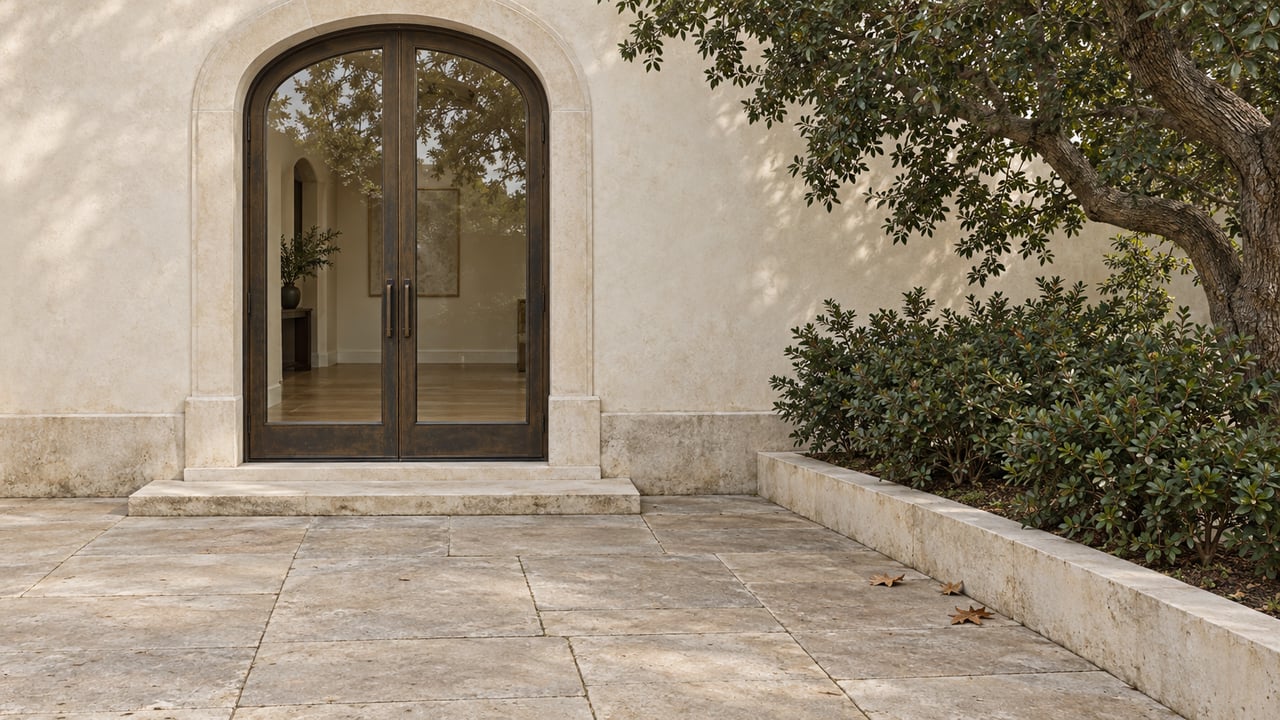
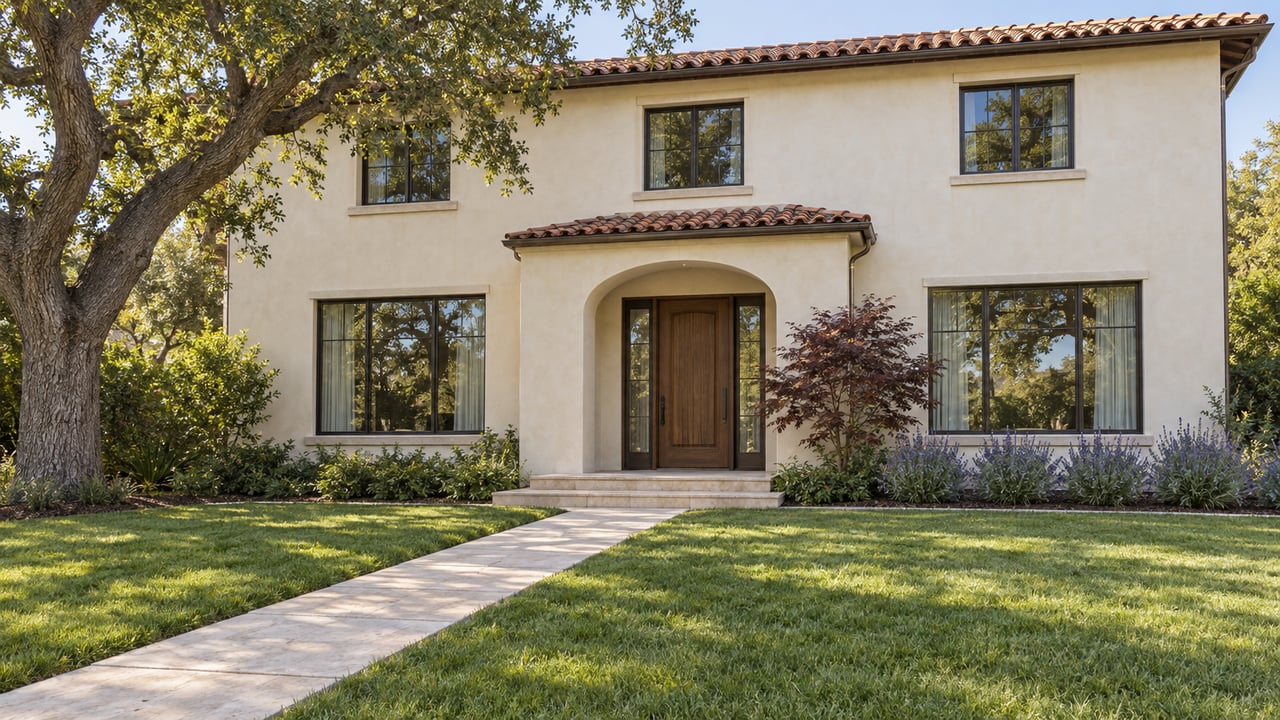
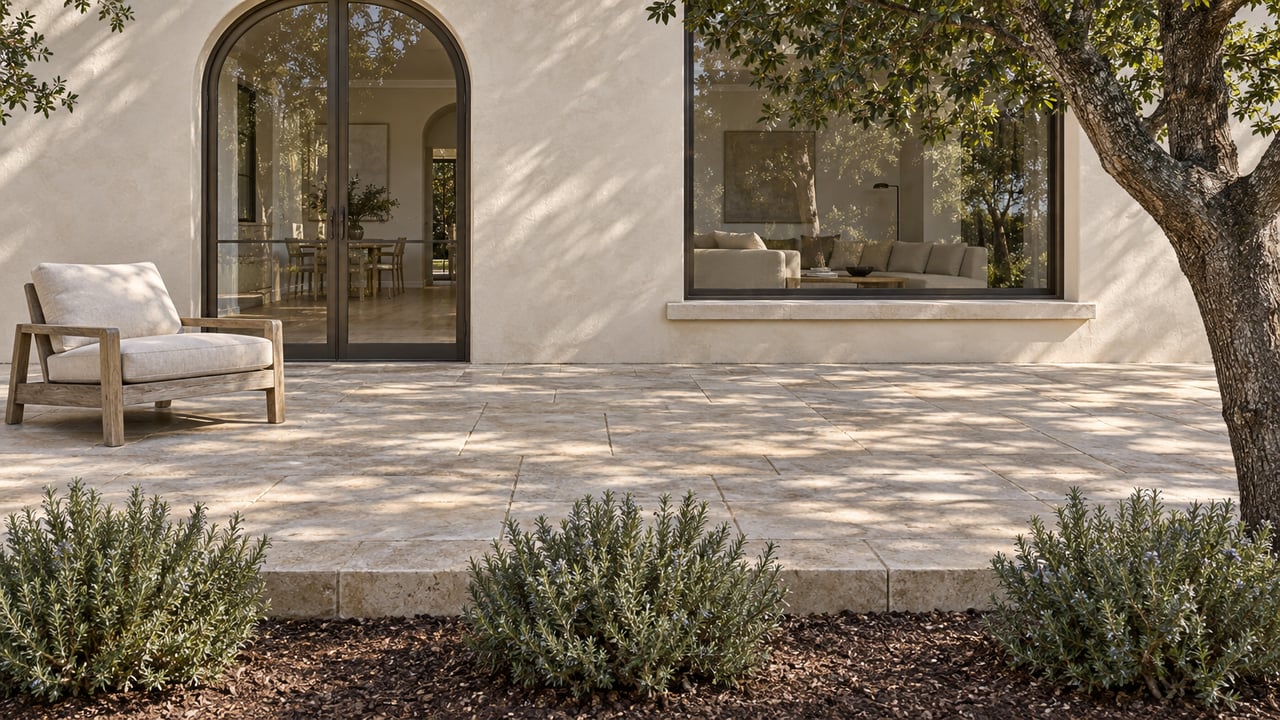
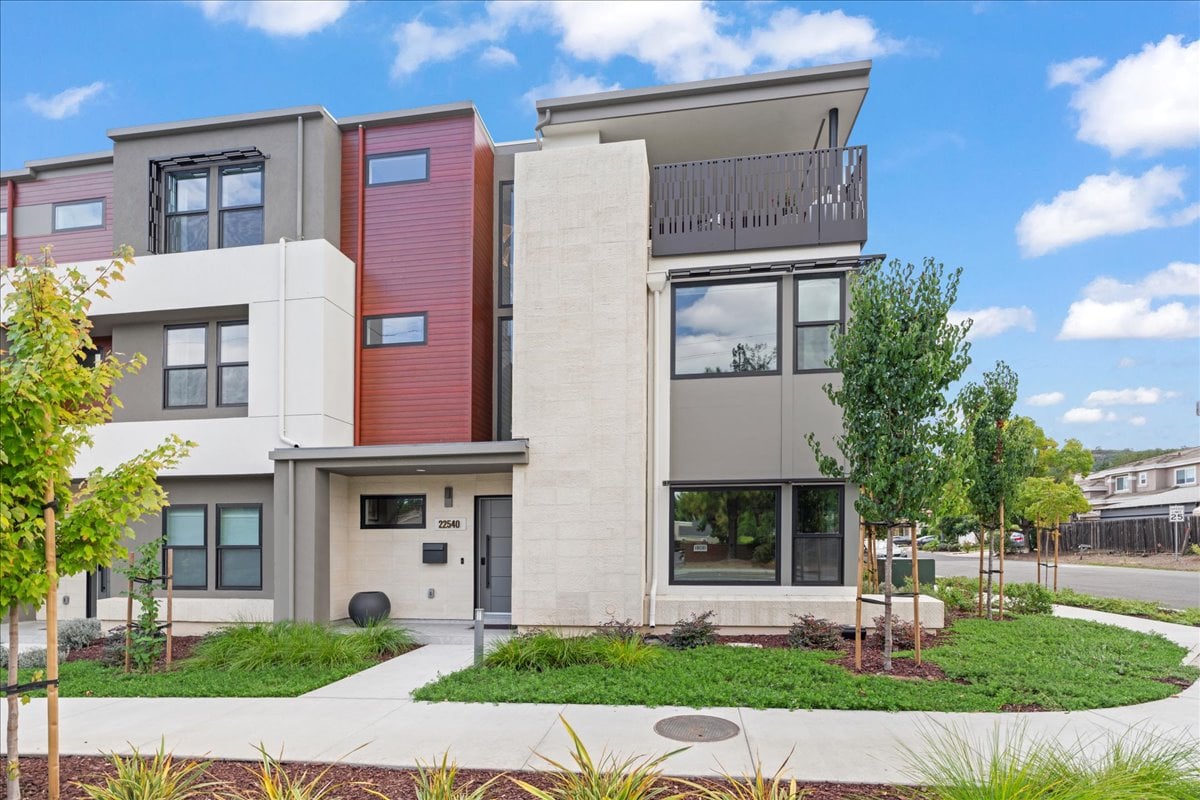
This is not a complaint about Monte Sereno. It is the operating model. A city this small, with this little commercial land, was never going to build its own police headquarters or its own café. It made more sense to fold into Los Gatos's infrastructure and spend its own resources on what actually distinguishes it: large lots, quiet streets, and a planning process that guards the look of a house more closely than almost anywhere else in Santa Clara County.
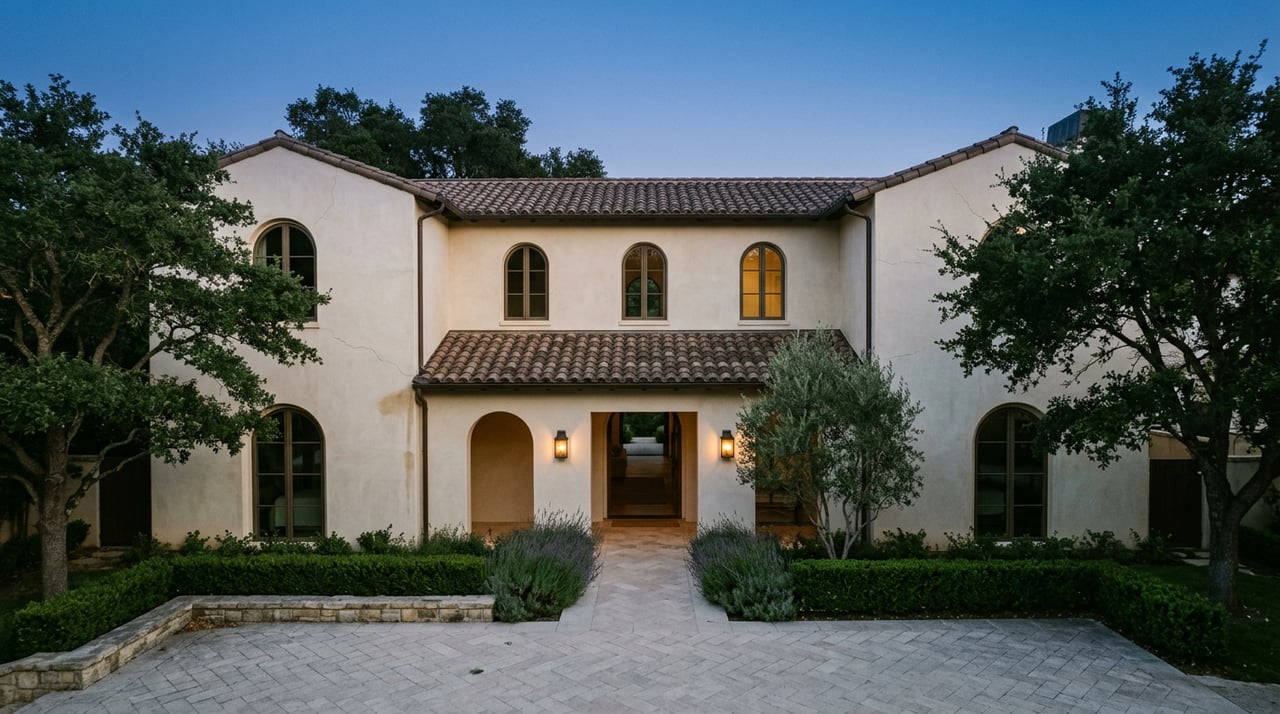
That last part matters more than it sounds. Every project that changes the exterior of a Monte Sereno home, from a second story addition to a tree removal, passes through the Site and Architectural Commission, five appointed residents who meet the first Wednesday of each month to enforce the city's Residential Design Guidelines. It is a slower, more deliberate process than what you will find in most neighboring cities, and it is the mechanism by which Monte Sereno has kept its housing stock as consistent as it is. The city cares intensely about what a home looks like. It has simply never needed to care, until now, about what a shared public room looks like, because it never had one.
The Post Office Becomes the Room the City Never Had
The community center project, according to the architecture firm handling the design, involves renovating the existing city hall building and remodeling the old post office into a community center, with accessibility upgrades and a new outdoor community space folded into the scope. The city's adopted budget for fiscal year 2025-2026 still carries a line item for a Community Center Capital Campaign, which tells you the project has not simply been built and forgotten. Fundraising and construction planning are still active in the most recent budget cycle available, which means this is a live project, not a finished one, as of this year.
What makes this notable is not the square footage. It is the category of thing being built. Monte Sereno has parks and open space in abundance. Los Gatos Creek Trail runs directly through the city, and El Sereno Open Space Preserve, seven miles of trail on the mountain the city is named for, sits at its edge. What the city has never had is an indoor, city-owned room where residents gather for a reason other than a council meeting. The old post office, a building whose entire former purpose was routing outbound mail to somewhere else, is being repurposed into the first piece of public architecture that keeps something in town.
Why the Timing Isn't a Coincidence
Monte Sereno's General Plan has not been substantively rewritten since 2008. The city is now working through that rewrite with M-Group, a Campbell-based planning firm, and the process has moved through real, dated milestones this year: a community survey that opened in January, a Public Review Draft that went online April 14, and a Health and Safety Element that has already gone through its own adoption cycle, incorporating new state-mandated policies on environmental justice and wildfire evacuation.
A General Plan is a 20-year document. It is the rare moment when a city sits down and decides, on paper, what kind of place it intends to be for the next two decades. Monte Sereno is doing that exercise at the same time it is building its first shared indoor space. Those two things are not formally connected in any city document, but they point the same direction. A city that has borrowed its coffee shops and its police force and its ZIP code from next door is in the middle of the one stretch of years where it gets to decide what it wants to keep doing on its own terms and what it is content to keep sharing.
Even the small procedural changes this year read like a city tightening its own process ahead of bigger decisions. In August, the City Council voted to move its regular meeting start time from 7 p.m. to 6 p.m., specifically to give itself more time to get through its agenda. That is not a headline on its own. But a city does not usually need extra meeting time unless there is more business to conduct than usual.
The Small Things a Resident Would Actually Know
Ask a longtime Monte Sereno resident what makes the city itself, and you will probably hear about the quiet, the trees, the way a walk on Daves Avenue feels nothing like a walk through a shopping district. You might also hear, if the conversation goes long enough, that the city has an official quail. City Council formally named it Monty by resolution, the kind of small civic gesture a town makes when it has the bandwidth to care about something that has nothing to do with zoning or budgets. It is a detail that only makes sense in a place this size, where the council has room on its agenda for both a General Plan overhaul and a bird.
That is the throughline here. Monte Sereno has never needed a downtown to have an identity. It borrowed its infrastructure, protected its architecture, and let its open space, the creek trail, the mountain preserve, do the work a town square usually does. What is different this year is that the city is, for the first time, building something of its own indoors, at the exact moment it is rewriting the document that will govern its next 20 years. Neither project changes what Monte Sereno looks like from the street. Both change what happens once you are inside the city limits and need somewhere to be.
If you are weighing what any of this means for a property you own in Monte Sereno, whether it is the design review process for a renovation or how a 20-year General Plan might eventually touch your street, it is worth a conversation grounded in the specifics of your address rather than the city's averages. Douglas Marshall has spent 25 years working these Santa Clara County foothill markets and can walk you through what any of this actually means for your home. Reach out for a complimentary valuation and a straight answer about your specific situation.
This article is general information, not legal, tax or financial advice. Consult a qualified professional about your situation.