Moving to San Jose can feel exciting and a little overwhelming at the same time. The city is large, varied, and shaped by very different neighborhood patterns, so choosing where to live is rarely about finding one “best” area. If you are relocating for work, lifestyle, or a fresh start, the smartest move is to match your neighborhood to how you actually live day to day. Let’s dive in.
Start With Neighborhood Type
One of the biggest mistakes relocating buyers make is treating San Jose like a single, uniform market. The city’s planning framework shows a very different picture, with older residential neighborhoods, postwar areas, transit-oriented corridors, urban villages, and denser infill districts all playing different roles.
That means your search should begin with neighborhood type, not just a zip code or price range. In San Jose, the feel of your street, your commute, and your daily routine can change a lot depending on whether you choose an older inner-ring area, a mid-century neighborhood, or a mixed-use corridor.
Compare San Jose’s Main Neighborhood Patterns
Older Neighborhoods
San Jose has older inner-ring neighborhoods with homes dating from the late 19th century through the first half of the 20th century. Areas such as Naglee Park, North Willow Glen, Hanchett and Hester Park, Guadalupe/Washington, and Market-Almaden are known for early residential development and a mix of architectural styles like Craftsman, bungalow, Queen Anne, Prairie, and Spanish Colonial Revival.
If you are drawn to charm, architectural detail, and established streetscapes, these areas may rise to the top of your list. At the same time, older homes often bring more maintenance, more renovation planning, and in some cases added historic review steps.
Mid-Century Neighborhoods
San Jose’s postwar growth created a large supply of mid-century housing, especially tract ranch homes from the 1950s and 1960s. The city also recognizes seven Eichler tracts organized into five neighborhoods: Morepark, Fairglen, Fairglen Additions, Hudson, and Fairhaven.
For many relocating buyers, these neighborhoods offer a strong California feel with practical floor plans and a distinct design identity. If you are considering an Eichler or another notable mid-century home, it is worth understanding whether design standards or preservation expectations could affect future updates.
Transit-Oriented Areas
Some parts of San Jose are built around a more urban, connected lifestyle. The city identifies regional-transit urban villages such as The Alameda, Berryessa BART, Capitol Caltrain, and Five Wounds, along with local-transit villages like North 1st Street, East Santa Clara Street, Alum Rock, West San Carlos, and Stevens Creek.
These areas may appeal to you if you want easier access to transit, errands, and daily services without relying on a car for every trip. They can also feel more active, with different parking patterns, more foot traffic, and a higher-density setting than traditional single-family neighborhoods.
Denser Infill Neighborhoods
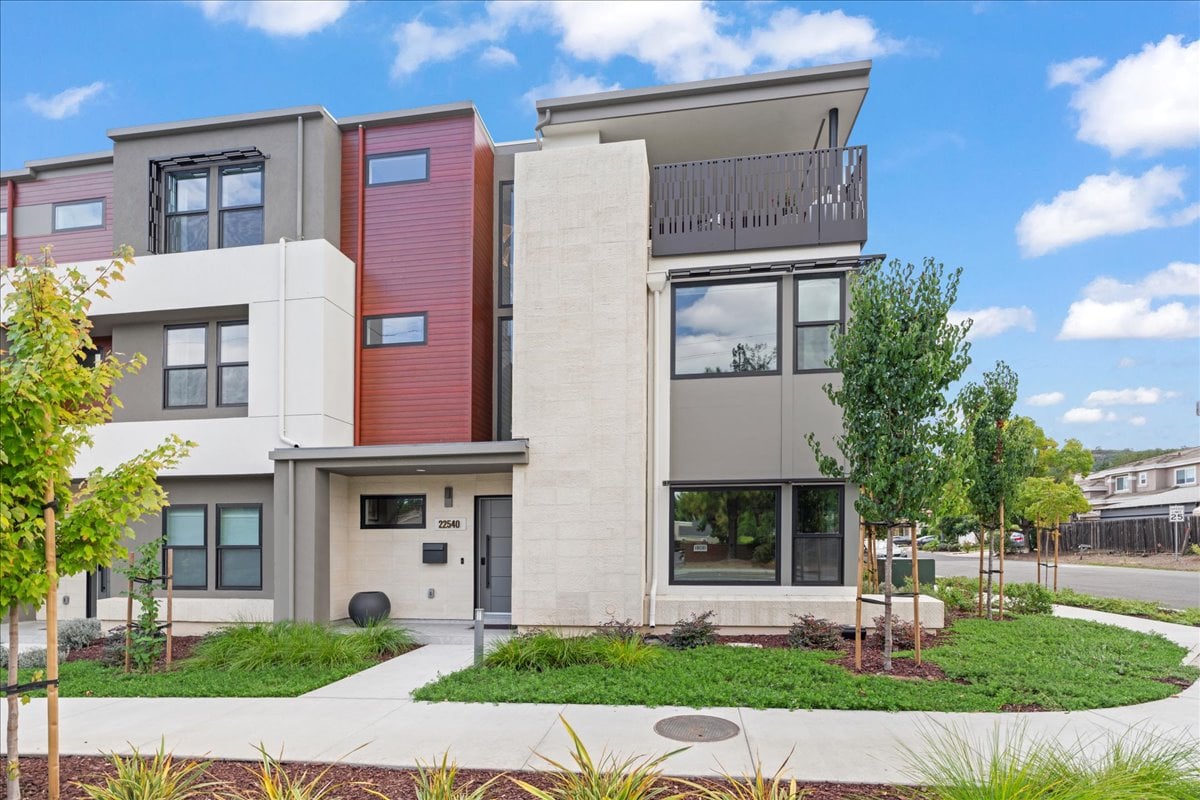
San Jose also includes neighborhoods built with a more compact footprint, including townhomes, condos, and mixed-use communities. Communications Hill is one example the city describes as a dense, highly urbanized, pedestrian-oriented residential neighborhood.
If low-maintenance living matters more to you than lot size, these areas may be worth a close look. The tradeoff is often less yard space, more shared walls, and a more vertical or attached-home experience.
Let Your Commute Lead the Search
In San Jose, commute direction can be one of the most important filters in your home search. The city is connected by multiple travel corridors, and travel convenience can vary widely even between neighborhoods that look fairly close on a map.
A smart shortlist starts with where you need to go most often. That could mean an office in North San Jose, regular trips toward the Peninsula, East Bay access, or frequent airport travel.
Rail and Transit Access
Diridon Station is positioned as a major regional transit hub with Caltrain, Amtrak, Capital Corridor, ACE Rail, and local and regional bus service, along with planned BART Silicon Valley and High Speed Rail connections. VTA also operates light rail and frequent bus service, including Rapid 500 between San Jose Diridon and Berryessa BART.
Caltrain serves stations including Santa Clara, College Park, San Jose Diridon, Tamien, Capitol, and Blossom Hill. BART currently serves Berryessa/North San Jose and Milpitas, which can be especially relevant if your routine includes East Bay trips or north-side access.
Airport Convenience
If you travel often, airport access should be part of the conversation. San Jose Mineta International Airport is about 3 miles from downtown and can be reached via US-101, I-880, and SR 87.
That may not matter to every buyer, but for frequent flyers, shaving time off airport runs can make a noticeable difference in day-to-day quality of life. This is one of those practical details that is easy to overlook early on.
Test the Real Commute
Do not rely only on map distance. In San Jose, a short straight-line distance can still mean a very different daily experience depending on freeway access, transit options, and time of day.
When you scout neighborhoods, test the actual door-to-door commute during the hours you expect to travel. That simple step often changes a buyer’s ranking faster than any online search filter.
Match the Home to Your Lifestyle
Once commute is clear, the next step is looking closely at how the home itself fits your priorities. In San Jose, housing style and age often shape your maintenance costs, your renovation flexibility, and even how you use the space.
This matters because two neighborhoods with similar price points can offer very different ownership experiences. One may give you character and lot size, while another may offer newer systems and simpler upkeep.
Older Homes and Historic Review
San Jose’s Historic Resources Inventory includes nearly 4,000 properties. The city notes that if a property is on that inventory, certain permit requirements may apply, and if it is a City Landmark or in a City Landmark District, a Historic Preservation Permit may be required.
For you, that does not automatically mean “do not buy.” It simply means you should confirm renovation rules before assuming a remodel will be easy, fast, or flexible.
Mid-Century and Eichler Considerations
Mid-century homes can offer a strong design identity that many buyers love. In some Eichler neighborhoods, San Jose has created objective design standards tied to homes developed by Eichler Homes.
If preserving original design features matters to you, that can be a major plus. If you are planning a heavy remodel, it is better to understand those expectations early rather than after closing.
Newer and Lower-Maintenance Options
Newer infill homes, condos, and townhomes can appeal to relocating buyers who want more recent building systems and finishes. These homes may reduce immediate maintenance demands, but they can also come with tradeoffs such as smaller outdoor space or a denser living environment.
For many busy professionals, that trade can be worth it. The key is being honest about whether you want elbow room, simplicity, or a balance of both.
Look Beyond Restaurants and Coffee Shops
Lifestyle fit is not just about where you eat on weekends. In a city as spread out as San Jose, convenience often comes down to whether your daily routine feels smooth and predictable.
San Jose’s Parks, Recreation and Neighborhood Services department operates at more than 200 locations, and the city says San Jose has more than 200 parks and over 65 miles of trails. San Jose Public Library also operates 25 branch libraries plus the downtown King Library.
Everyday Amenities That Matter
When comparing neighborhoods, look for the places you would actually use every week. That might include a park, trail, branch library, basic retail, or a practical transit stop.
Urban-village areas are especially worth noting here because the city expects them to include a mix of commercial, residential, mixed-use, and public-facility uses. In real life, that often translates into easier errands and less time spent driving from one task to the next.
Check the Local Network
San Jose also provides a Neighborhood and Business Association Map that can help you see which local groups cover a particular address. That can give you a better feel for local points of contact as you narrow your choices.
For a relocating buyer, this can be a useful way to understand how connected or organized an area feels before you write an offer. It is a small step that can add helpful context.
Build a Smarter Shortlist
Instead of trying to compare dozens of addresses at once, focus on three or four neighborhood types. That approach tends to make relocation decisions clearer and more manageable.
A practical San Jose shortlist often includes one older architectural area, one mid-century area, one transit-oriented or urban-village setting, and one lower-density or more suburban-feeling option. From there, you can compare tradeoffs in commute, housing style, convenience, and maintenance.
A Simple Scouting Checklist
Before you make a final decision, use a consistent process in each area you visit:
- Drive or ride the commute during your real travel window
- Walk the block and nearby streets
- Notice parking, sidewalk continuity, and street noise
- Confirm the closest park, trail, library branch, and shopping options
- Check whether the home is in the Historic Resources Inventory or a designated district
- Review whether the surrounding area is primarily residential or part of an urban-village corridor
This kind of side-by-side comparison helps you move past first impressions. It also gives you a more realistic picture of how the neighborhood will feel after the excitement of move-in day wears off.
The Best Neighborhood Is the Best Fit
The right San Jose neighborhood depends less on hype and more on alignment. Your ideal fit may come down to commute pattern, home style, tolerance for density, renovation goals, and how much convenience you want built into everyday life.
San Jose’s planning framework supports that way of thinking. The city is intentionally preserving many existing residential neighborhoods while directing more growth into urban villages and transit-oriented areas. If you evaluate neighborhoods through that lens, your search becomes much clearer.
If you want experienced guidance as you compare San Jose neighborhoods and narrow the right fit for your move, connect with Douglas Marshall. You will get local insight, strategic buyer representation, and a more confident path into the Silicon Valley market.
FAQs
What is the best way to choose a neighborhood in San Jose?
- Start with your commute, housing style preferences, and daily routine, then compare neighborhood types instead of treating San Jose as one uniform market.
Which San Jose neighborhoods are better for transit access?
- Transit-oriented areas include urban villages such as The Alameda, Berryessa BART, Capitol Caltrain, Five Wounds, North 1st Street, East Santa Clara Street, West San Carlos, and Stevens Creek.
What should relocating buyers know about older San Jose homes?
- Older homes may offer more architectural character, but they can also involve more maintenance, code-related work, and possible historic review depending on the property.
Are there mid-century neighborhoods in San Jose?
- Yes. San Jose has many postwar tract ranch neighborhoods and recognized Eichler tracts in Morepark, Fairglen, Fairglen Additions, Hudson, and Fairhaven.
Why does commute testing matter when moving to San Jose?
- Commute conditions can vary a lot by corridor, transit option, and time of day, so testing the actual trip is often more useful than looking at distance alone.
What amenities should buyers check near a San Jose home?
- Focus on the amenities you will use regularly, such as parks, trails, library branches, shopping, and practical transit access.