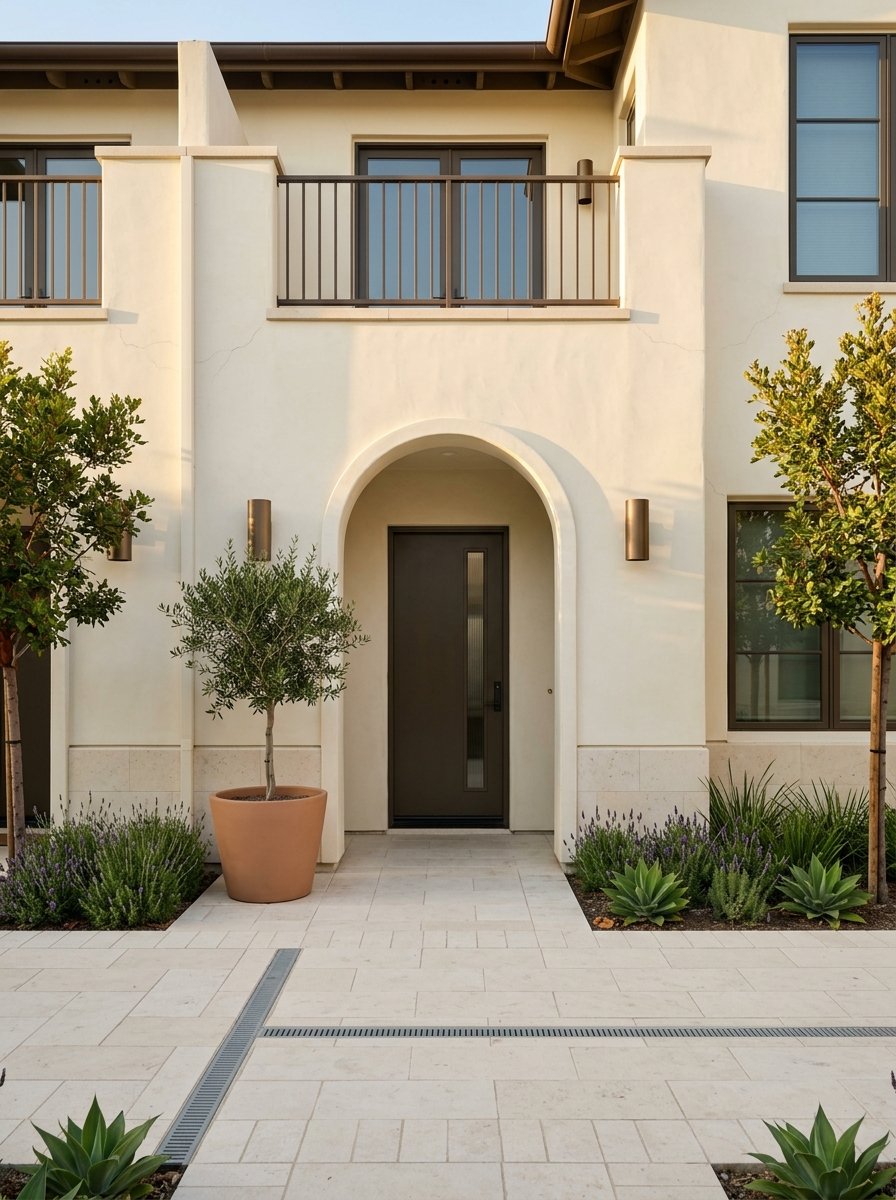
If you want a foothold in Cupertino but a detached home feels out of reach, townhomes and condos can open the door. That said, attached living here is not a bargain category. It is simply a different way to buy into one of Silicon Valley’s most expensive markets, with its own trade-offs, monthly costs, and due diligence steps. This guide will help you understand what you can realistically expect from Cupertino townhome and condo living, and what to review before you make an offer. Let’s dive in.
Cupertino Attached Homes in Context
Cupertino remains a very expensive housing market overall. Redfin reports a February 2026 median sale price of $3.24 million, with homes selling in about 10 days and receiving about three offers on average.
Against that backdrop, condos and townhomes can look like a more accessible entry point. According to Redfin’s Cupertino condo and townhouse data, there are only a limited number of attached homes available, with six condos and 13 townhouses currently for sale, and median listing prices around $998,000 for condos and $1.37 million for townhouses.
That price gap matters, but so does perspective. In Cupertino, attached homes are better understood as a lower-entry option rather than a low-cost option. You may spend less upfront than you would on a detached house, but you are still buying in a premium market.
What Condo Buyers Should Expect
Many Cupertino condos currently on the market fall into a fairly practical size range. Recent examples highlighted by Redfin are often around 1,116 to 1,154 square feet, commonly with two bedrooms and two bathrooms.
Some of these homes are single-level, which can appeal to buyers who want easier day-to-day living. Garage parking also shows up frequently, which is an important convenience factor in a market where parking and storage can vary widely from one community to another.
HOA dues for recent condo examples have ranged from about $401 to $579 per month. Those dues may cover more than buyers expect, including items like water, garbage, sewage, common-area maintenance, pools, hot tubs, and in some cases even exterior-related items such as decks, fencing, landscaping, and certain insurance coverage.
What Townhome Buyers Should Expect
Cupertino townhomes often offer a bit more space and a layout that feels closer to a single-family home. Recent townhome examples are often about 1,060 to 1,596 square feet, with two to three bedrooms, two to three bathrooms, and three-story floor plans.
Many include features buyers tend to prioritize, such as attached two-car garages, private patios, or small backyards. If you want a separate entry, a little outdoor space, and more room to spread out, a townhome may fit better than a condo.
HOA dues in recent examples have ranged from about $429 to $667 per month. In return, some communities offer amenities like pools, spas, saunas, tennis courts, fitness centers, clubhouses, playgrounds, and guest parking.
Layouts and Price Ranges Vary Widely
One of the biggest mistakes buyers make is assuming all attached homes are similar. In Cupertino, the range is wide. A recent Redfin example shows attached-home pricing stretching from a two-bedroom, two-bath townhome around 1,060 square feet listed at $999,800 to a much larger three-story, four-bedroom, four-bath attached home of 2,501 square feet listed at $3.29 million.
That means your experience can differ dramatically depending on the community, the age of the development, the HOA structure, and the specific floor plan. Some homes feel compact and efficient. Others live more like a large single-family alternative with shared walls.
For you as a buyer, this makes it especially important to compare like with like. A newer, larger attached home with robust amenities and a higher HOA may compete with smaller detached-home options in nearby areas on monthly cost, even if the list price looks attractive at first glance.
Why These Homes Appeal to Buyers
For many buyers, Cupertino condos and townhomes solve a very specific problem. They offer a way to live in Cupertino with a smaller footprint and less direct responsibility for exterior upkeep than you would typically have with a detached home.
Current listings also often emphasize proximity to major employers, parks, shopping, dining, and commute routes. As noted in recent Cupertino attached-home listings, that convenience is a major reason these homes appeal to relocating professionals and busy households.
The lifestyle trade-off is fairly straightforward. You typically gain easier maintenance and access to shared amenities, while giving up some privacy, some autonomy over exterior elements, and potentially more monthly oversight through HOA rules and fees.
HOA Fees Matter More Than Buyers Expect
When you buy in a common-interest development, HOA membership transfers with the property. The California Department of Real Estate guide explains that common areas are controlled by the HOA, and even spaces that feel private, such as patios, driveways, and parking areas, may be classified as exclusive-use common area rather than fully independent owner-controlled property.
That distinction matters because the legal documents, not appearances, determine what you own, what you maintain, and what the association maintains. Two homes that seem similar on a tour can come with very different maintenance obligations.
It is also important to understand what your HOA dues actually buy. In current Cupertino examples, HOA fees may cover landscaping, roofs, road maintenance, common-area electricity, garbage, water, sewer, and common-area insurance, according to recent listing details and condo examples.
Look Beyond the List Price
The purchase price is only part of your monthly cost. Santa Clara County property taxes are based on a 1 percent maximum levy plus voter-approved debt, and can also include special taxes or direct assessments. The county’s tax information notes that under Proposition 13, property is generally revalued when ownership changes.
In simple terms, you should budget property taxes based on what you pay for the home, not on the seller’s old tax bill. That can be a meaningful jump, especially in a market where sales prices are high.
Then add HOA dues, insurance needs for your unit and belongings, utilities that are not covered by the association, and the possibility of future special assessments. A condo or townhome may still be the right fit, but the total ownership picture should drive your decision, not just the asking price.
The HOA Document Review Is Essential
California requires sellers to provide buyers with important HOA disclosures. Under California Civil Code Section 4525, that package includes governing documents, fee information, unpaid assessments or fines, rental restrictions if any, board minutes on request, and the latest inspection report.
The annual budget materials are just as important. Under California Civil Code Section 5300, HOA packets also include reserve summaries and insurance summaries, and for condominium projects, FHA and VA approval status.
This is where smart buyers slow down and read carefully. If anything is unclear, the California Department of Real Estate advises buyers to review every document closely and seek professional advice when needed.
Key Questions to Ask Before You Buy
When you review a Cupertino condo or townhome, keep your due diligence focused on the items most likely to affect cost and lifestyle.
Ask about:
- The CC&Rs and day-to-day rules
- Any rental or use restrictions
- The current HOA assessment schedule
- The reserve funding plan
- Insurance coverage and deductibles
- Any pending or possible special assessments
- What spaces are owner-maintained versus HOA-maintained
- Whether the project has FHA or VA approval status, if financing requires it
These are not minor details. They shape your monthly budget, your flexibility as an owner, and your long-term risk.
Condo vs Townhome vs Detached Home
If you are deciding between attached and detached living in Cupertino, it helps to think in terms of trade-offs rather than good or bad options.
| Home type | Typical advantage | Typical trade-off |
|---|---|---|
| Condo | Lower entry price, often single-level living, shared amenities | Less privacy, HOA rules, fewer private exterior spaces |
| Townhome | More space, garage, often more house-like layout | HOA dues, shared walls, multi-level layouts are common |
| Detached home | More autonomy and privacy | Much higher purchase price and more direct maintenance responsibility |
Based on current Cupertino market pricing, many buyers use condos and townhomes as a practical way to enter the market while reducing direct exterior upkeep. Detached homes remain the choice for buyers who want more independence and are comfortable with a much higher price point and more hands-on maintenance.
Who Attached Living Often Fits Best
Townhome or condo living in Cupertino can make sense if you want to prioritize location, convenience, and a more maintenance-managed ownership experience. It can also work well if you value amenities and prefer spending less time handling exterior upkeep.
On the other hand, if you want full control over exterior improvements, more separation from neighbors, or a larger private lot, you may find the HOA structure too limiting. Neither path is inherently better. The right choice depends on how you want to live and what level of ongoing cost and responsibility feels comfortable to you.
If you are weighing attached-home options in Cupertino and want a clear-eyed view of pricing, HOA structure, and property-level trade-offs, working with an experienced local advisor can save you time and help you avoid expensive surprises. When you are ready to talk through your options, connect with Douglas Marshall.
FAQs
What should buyers expect to pay for a condo or townhome in Cupertino?
- Based on current Redfin Cupertino data, median listing prices are about $998,000 for condos and $1.37 million for townhouses, though individual homes can fall well above or below those figures.
What HOA fees usually cover in Cupertino condo and townhome communities?
- Recent Cupertino listings show HOA dues may cover items such as landscaping, roofs, road maintenance, garbage, water, sewer, common-area maintenance, certain insurance, and amenities like pools or fitness areas, depending on the community.
What documents should buyers review before buying a Cupertino attached home?
- Buyers should review the HOA governing documents, assessment information, reserve summary, insurance summary, inspection reports, any rental restrictions, board minutes if requested, and any disclosures about unpaid dues or pending issues.
What is the difference between a Cupertino condo and a Cupertino townhome?
- In general, condos are often smaller and may offer more single-level layouts, while townhomes often provide more square footage, attached garages, and more private outdoor space, though the exact ownership and maintenance details depend on the governing documents.
Why do Cupertino buyers choose townhomes and condos instead of detached homes?
- Many buyers choose attached homes because they offer a lower entry point than detached homes in Cupertino, along with shared amenities and less direct exterior maintenance, even though they still come with substantial purchase prices and HOA costs.