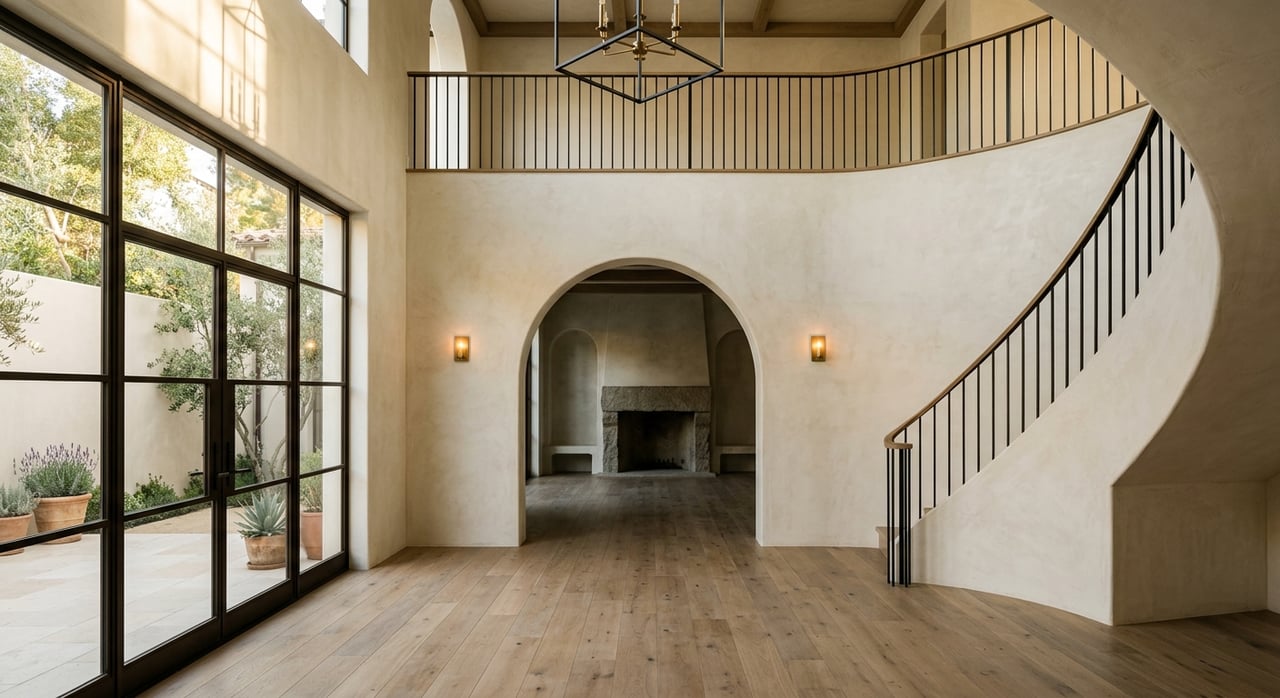
If you are selling a high-end home in San Jose, exposure is not just about getting your property online. It is about getting the right eyes on it, at the right time, with the right presentation. In a market where many homes move quickly and buyers are already comfortable shopping online, a polished launch can shape how your listing is perceived from day one. This guide walks you through what it takes to maximize exposure for a luxury listing in San Jose and why strategy matters just as much as reach. Let’s dive in.
Why exposure matters in San Jose
San Jose is a fast-moving, high-price market. In March 2026, the city median sale price reached $1,472,500, homes sold in about 10 days, and the average sale-to-list ratio was 104.5%, with 65.5% of homes selling above list price, according to Redfin’s San Jose housing market data.
That speed creates opportunity, but it also raises the stakes. When buyers are making decisions quickly, your first impression needs to be strong. A high-end listing that launches with weak visuals, incomplete information, or unclear positioning can lose momentum in the most important window.
Luxury buyers shop online first
Today’s buyers usually begin their search online. According to the National Association of Realtors 2024 Home Buyers and Sellers Generational Trends report, 52% of buyers found the home they purchased online, while only 4% found it through a yard sign or open house sign.
That matters even more in Santa Clara County, where households are highly connected. The U.S. Census QuickFacts for Santa Clara County show that 95.6% of households had a broadband subscription, which supports a listing strategy centered on digital presentation and online visibility.
For luxury sellers, the takeaway is simple: your listing is competing on screens before it ever earns an in-person showing. That means every detail of the online presentation has to work together.
The media package buyers actually use
The strongest luxury campaigns start with a complete media package, not just a collection of listing photos. NAR found that among buyers who used the internet, the most useful features were photos, detailed property information, floor plans, virtual tours, neighborhood information, and videos. The same report noted that 81% of buyers rated listing photos as the most useful feature during their online search.
For a high-end property, that makes professional presentation essential. Buyers want to understand the home’s flow, layout, and standout features quickly. If the photos are inconsistent, the floor plan is missing, or the sequence of rooms feels confusing, the listing can lose attention before a showing is scheduled.
Start with photography
Photography usually does the heaviest lifting. It is often the first thing buyers notice, and in many cases, it determines whether they click through for more details.
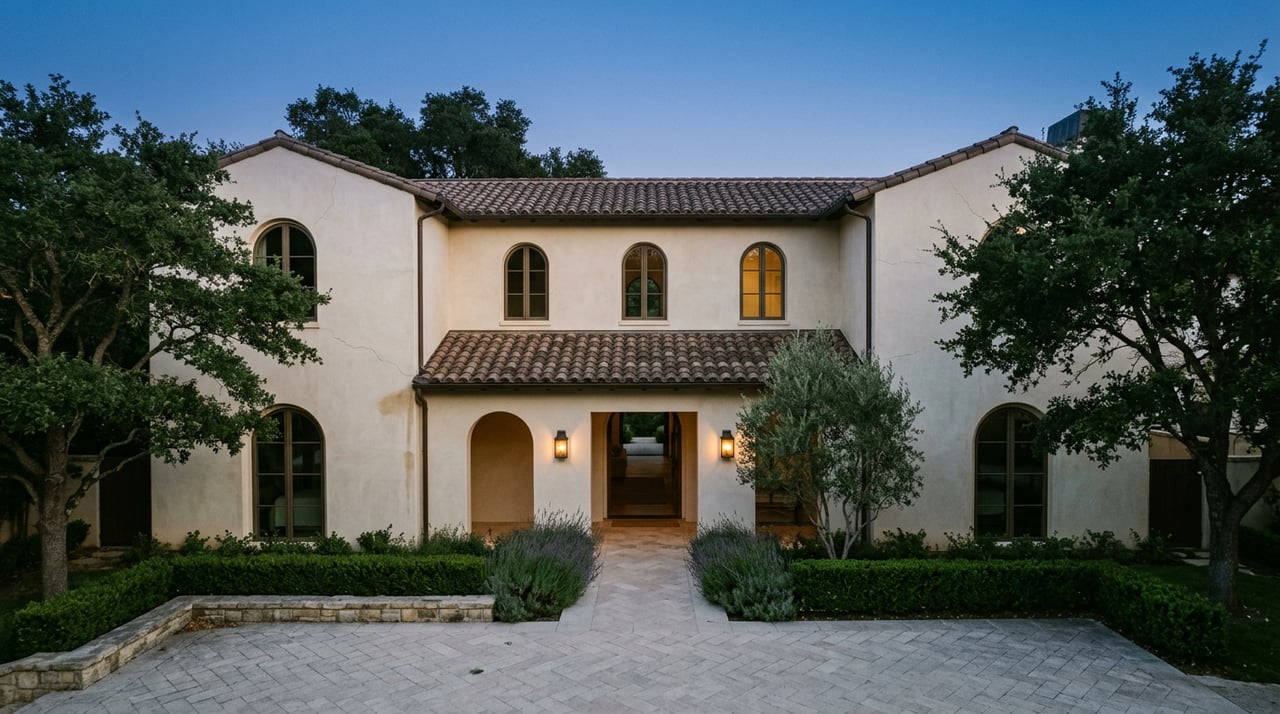
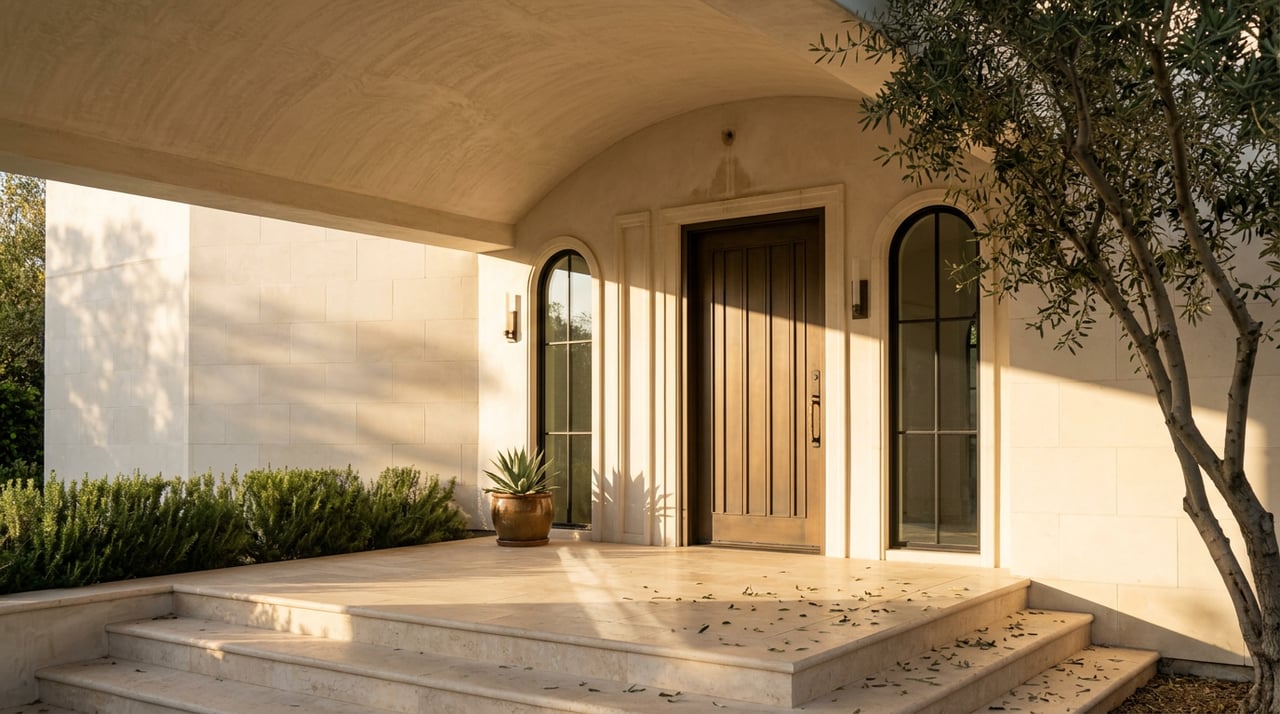
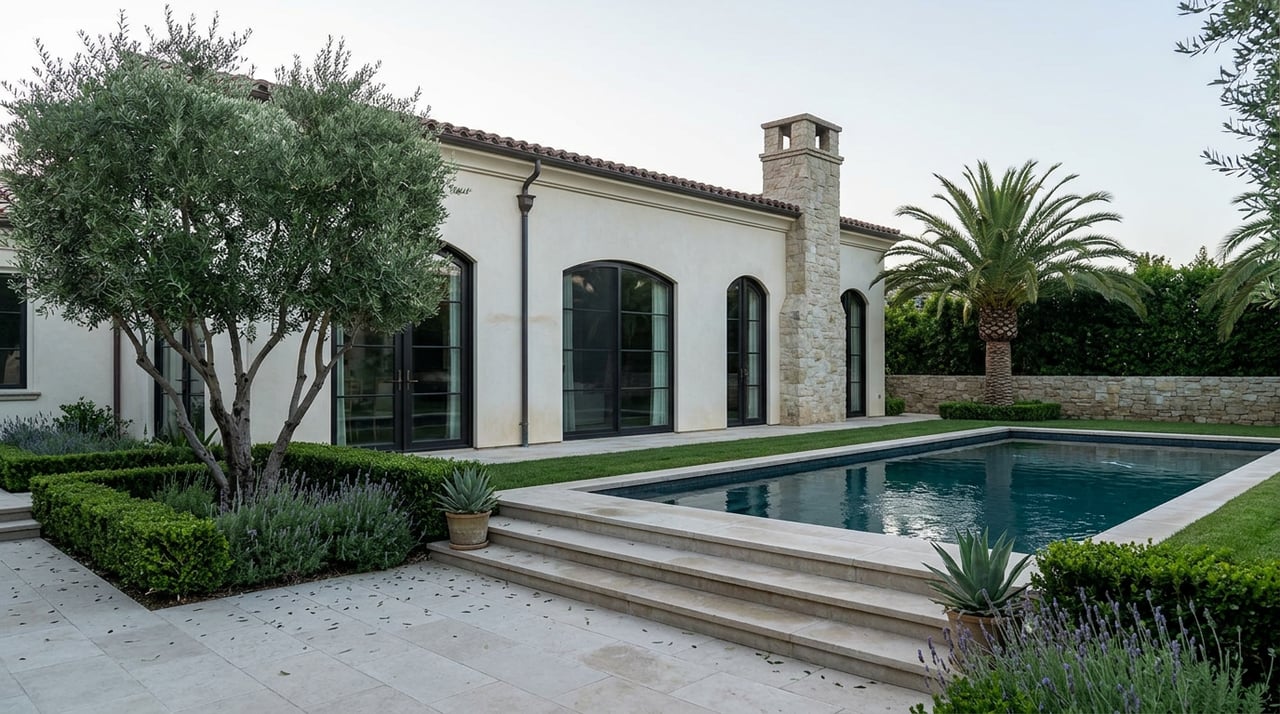
For luxury homes, photos should highlight scale, light, architectural details, and the way indoor and outdoor spaces connect. In a market as visual and digital as San Jose, polished imagery is a core part of the pricing and exposure strategy, not an optional upgrade.
Add floor plans and property details
Photos attract attention, but structure keeps buyers engaged. Floor plans help people understand room relationships, traffic flow, and how the home might function for their needs.
Detailed property information also matters because upper-tier buyers often compare homes carefully. Clear facts, thoughtful feature descriptions, and a coherent presentation help reduce confusion and strengthen perceived value.
Use video and virtual tours selectively
Video and virtual tours can add depth when they are well executed. NAR reported that 33% of online buyers found virtual tours useful, and 21% found videos useful.
For a San Jose luxury listing, these tools can help broaden reach beyond immediate local traffic. They are especially helpful when buyers are comparing opportunities across Silicon Valley and the wider Bay Area.
Staging helps buyers connect
Luxury exposure is not just about where a listing appears. It is also about how clearly buyers can picture themselves in the home. According to the NAR 2025 Profile of Home Staging Snapshot, 83% of buyers’ agents said staging made it easier for buyers to visualize the property as a future home.
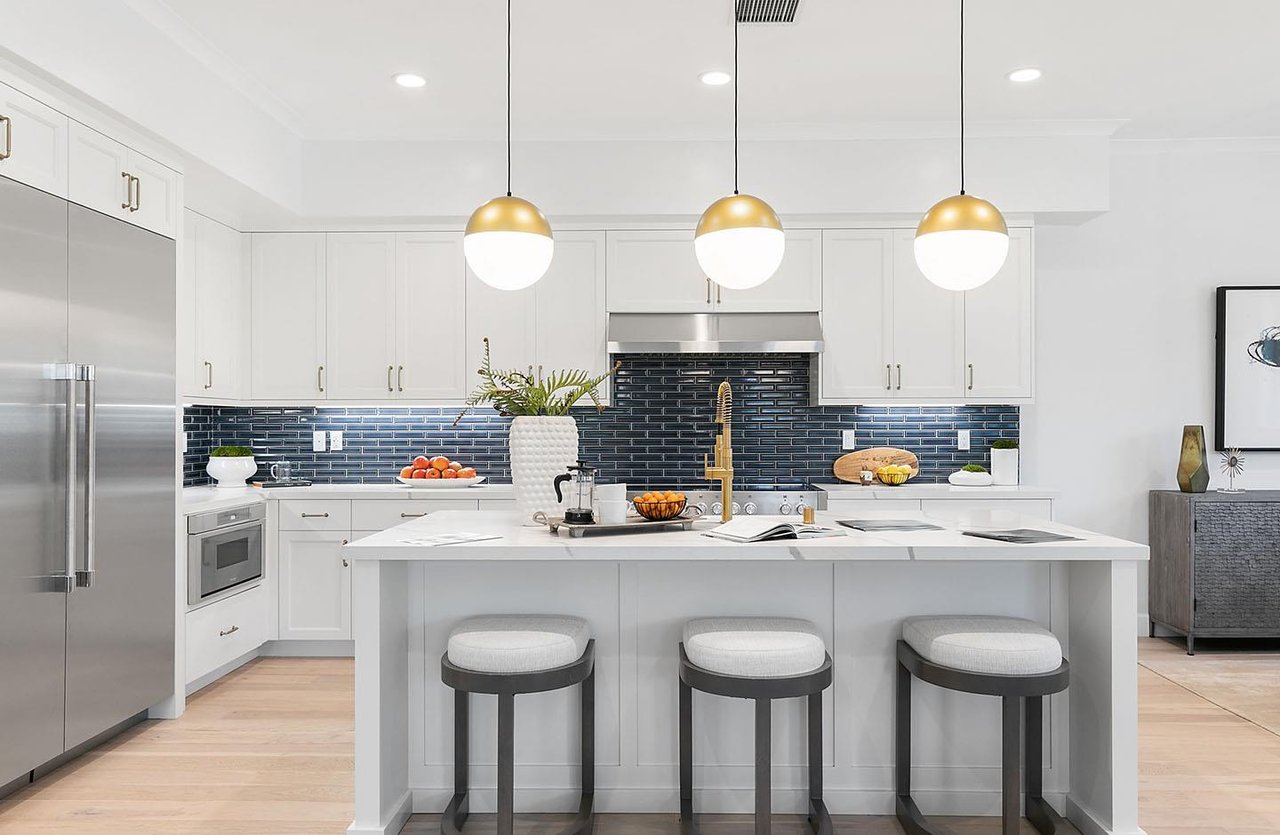
The most commonly staged rooms were the living room, primary bedroom, and dining room. That is useful guidance for high-end sellers because those spaces often carry emotional and visual weight in listing photography.
A staged home does not need to feel overdesigned. It needs to feel intentional, balanced, and easy to understand in photos and in person. In upper-tier price points, buyers often expect a clean, polished presentation that supports the home’s value.
San Jose luxury marketing should be segmented
One of the biggest mistakes in high-end marketing is treating the region like one audience. San Jose’s upper-tier market is not uniform, and nearby Bay Area markets are not interchangeable.
For example, Redfin’s local market data shows that Willow Glen was around $1,867,500 in March 2026, while Almaden Valley was around $2,400,000 and Santa Clara was around $1,624,400. Nearby East Bay cities also varied widely, with Oakland at $882,500, Hayward at $865,000, and Berkeley at $1,550,000, based on Redfin’s Oakland market report.
That spread tells you something important. A broad Bay Area audience may be relevant, but the campaign should still be tailored by neighborhood, price band, and likely buyer profile. The message that fits a Willow Glen buyer may not be the same one that resonates with a buyer considering Almaden Valley or relocating from Berkeley.
Match the message to the property
Each listing should be positioned based on what makes it distinctive within its immediate market. That includes price, architecture, layout, lot size, updates, privacy, and how it compares to nearby alternatives.
For example, a high-end home in Willow Glen may attract a different pool of buyers than a larger estate-style property in Almaden Valley. Effective exposure comes from sharpening the story of the home, not from using the same copy and launch plan for every listing.
Timing can make or break the launch
The first few days online carry outsized importance. NAR’s guidance on listing visibility notes that if engagement is soft early on, sellers and agents may need to refresh the lead photo, reorder images, or selectively re-share the listing through targeted channels.
That is why launch discipline matters so much. In a market where homes move in about 10 days, a rushed or incomplete debut can waste the period when buyer attention is strongest.
Why polished launches outperform rushed ones
A luxury launch works best when pricing, staging, photography, and listing details are aligned before broad release. That helps the property enter the market looking complete and competitive from the start.
This matters because overexposure can work against a seller. Redfin reported that 19.8% of San Jose listings were stale in February 2026, and that overpricing a home by 10% or more can add more than a month to market time, according to its stale listings report.
Smart exposure is not the same as maximum exposure
More visibility is not always better if the campaign is poorly sequenced. For some sellers, especially at the high end, the better approach may be phased exposure rather than immediate public saturation.
The NAR Multiple Listing Options for Sellers policy outlines options such as office exclusive listings and delayed marketing listings. These approaches can give sellers more control over privacy and timing, depending on their goals and local MLS rules.
When discretion matters
Some luxury sellers want to test positioning, prepare the home fully, or limit early public exposure. NAR notes that office exclusive listings are not publicly marketed and remain available only within the listing brokerage, while delayed marketing listings may be submitted to the MLS but held back from IDX and syndication for a local period.
That creates room for a more measured rollout. A seller may choose to complete staging and media first, preview the home in a controlled way, and then move to a broader public launch once every element is in place.
Network matters too
Agent-to-agent communication can still play a role in early traction. NAR also clarified that one-to-one broker communication does not trigger the same Clear Cooperation requirements as multi-brokerage public marketing.
For a boutique luxury practice, that can support a more strategic introduction before the home is widely distributed. The goal is not secrecy for its own sake. It is making sure the property enters the market with purpose.
What affluent San Jose buyers expect
Santa Clara County is home to many affluent and highly informed buyers. The U.S. Census QuickFacts data reports a county median household income of $164,281 and a median owner-occupied home value of $1,490,600. The research also notes that California Association of Realtors data showed a minimum qualifying income of $470,800 to buy a median-priced home in Santa Clara County in fourth-quarter 2025.
In practical terms, many likely buyers are financially sophisticated, digitally engaged, and familiar with competitive offer situations. They are not just looking for a home to appear online. They are looking for a listing that feels credible, complete, and worth acting on quickly.
What maximizing exposure really means
For a high-end San Jose listing, maximizing exposure is really about maximizing qualified exposure. You want strong visibility, but you also want the property presented in a way that supports value, attracts the right buyer pool, and protects momentum during the crucial early days.
That usually means:
- Pricing the home in line with its specific neighborhood segment
- Completing staging and media before the public debut
- Leading with strong photography and clear listing details
- Using floor plans, video, and virtual tools where they add value
- Timing the release carefully instead of rushing to market
- Matching promotion to the likely buyer audience in San Jose and the broader Bay Area
When those pieces come together, exposure becomes more than reach. It becomes a strategy for stronger perception, better engagement, and a more competitive sale process.
If you are preparing to sell a luxury property in San Jose, Willow Glen, Almaden Valley, or another Silicon Valley neighborhood, working with a marketing-first advisor can make a measurable difference in how your home enters the market and how buyers respond. Connect with Douglas Marshall to discuss a tailored listing strategy built around presentation, exposure, and negotiation.
FAQs
What does maximizing exposure for a high-end listing in San Jose actually mean?
- It means presenting and promoting your home so the right buyers see it quickly, understand its value online, and feel motivated to schedule a showing or make an offer.
Why are professional photos important for luxury homes in San Jose?
- NAR reports that photos are one of the most useful online listing features for buyers, so strong photography helps create the first impression that drives clicks, interest, and showings.
Should every San Jose luxury listing be marketed the same way?
- No. Market data shows that areas like Willow Glen, Almaden Valley, and Santa Clara perform at different price points and speeds, so pricing, messaging, and outreach should be tailored to the specific property and neighborhood.
Can a luxury seller in San Jose choose a more private listing strategy?
- Yes. NAR policy describes options such as office exclusive listings and delayed marketing listings, which may allow more control over privacy and timing depending on local MLS rules.
Why does the first week on market matter for a San Jose luxury home?
- Early online attention often carries the most weight, so a polished launch with strong visuals, accurate pricing, and complete information can help your home gain traction before interest fades.