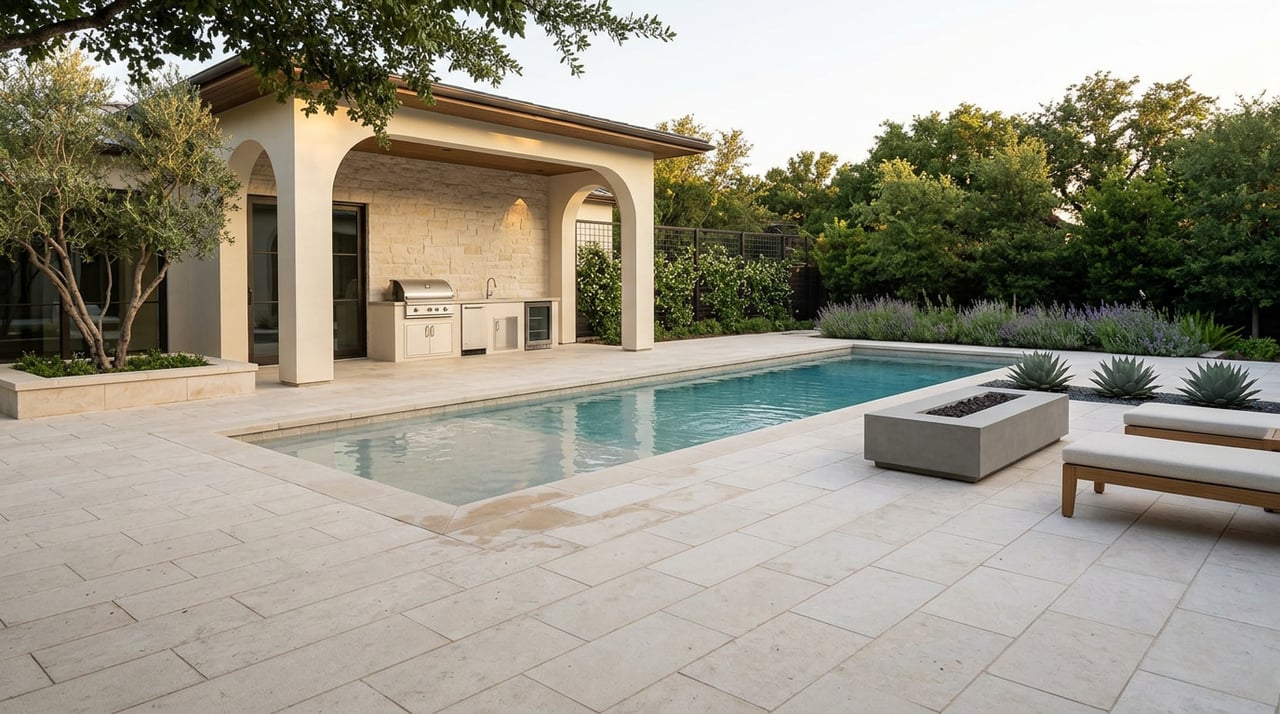
Picture your Los Altos Hills backyard as the place you love most at home. The quiet ridgelines, long views, and generous lots make that vision real. The challenge is designing an outdoor space that fits the hillside, meets local rules, respects fire safety, and still feels resort-caliber. In this guide, you’ll learn how to plan, permit, and design outdoor living that works in Los Altos Hills and supports long-term value. Let’s dive in.
Know the rules before you design
Zoning, height, and development limits
Los Altos Hills uses large-lot Residential-Agricultural zoning and ties what you can build to the site’s size and slope. The municipal code sets a 1-acre baseline parcel size and regulates development area and floor area using lot and slope factors. Height limits also apply, with most structures capped at 27 feet, which can affect multi-level terraces and tall garden walls. Review the Town’s zoning standards early so your design aligns with allowed massing and screening requirements. Town zoning overview
Permits and the Site Development process
Many outdoor projects move through the Town’s Site Development pathway, especially if you plan a pool with significant grading, a cabana, or accessory structures. Expect a pre-application meeting, a project checklist, and submittals like topographic surveys and site plans. Story poles and public notices are common for visible hillside work. Start the conversation early to understand timing and whether a Planning Commission hearing could be involved. Site Development process
Grading, soils, and retaining walls
Slopes are part of the beauty here, but they require care. The Town often requires soils and geotechnical reports for hillside work, especially for pool terraces, retaining walls, and major cut-and-fill. Drainage and erosion control are reviewed closely to prevent runoff issues. Budget for engineering and plan to keep grading modest where possible. Grading and geotechnical references
Trees, views, and neighbor coordination
Los Altos Hills protects both views and significant trees. A formal View and Sunlight ordinance outlines processes for addressing unreasonable obstructions, while heritage trees may need permits and replacement plantings to remove. Because tree changes can trigger neighbor concerns, bring in an arborist early and consider view framing, not clearing. View and tree rules
Wildfire and your defensible space
Parts of Los Altos Hills fall within higher Fire Hazard Severity designations, which shape planting choices, hardscape layouts, and where you place combustible items. Plan for layered defensible space around your home and key outdoor rooms, typically from 0 to 100 feet depending on your designation. You can request Home Ignition Zone assessments and use local chipping programs to help maintain clear zones. Start by confirming your property’s status and then align your landscape plan with district guidance. Town FHSZ information and LAHCFD defensible space guidance
Water, drought, and rebates
Water service in town comes through different retailers, and that affects available rebates for smart irrigation, lawn conversion, and more. Before you commit to large lawns or thirsty plantings, confirm your provider and identify conservation incentives. If you plan a pool, factor in use of a cover and best practices to reduce evaporation over time. These steps can lower lifetime costs and support a resilient, low-maintenance yard. Find your water retailer and explore Cal Water conservation programs
Design features that shine here
Pools and terraces on slopes
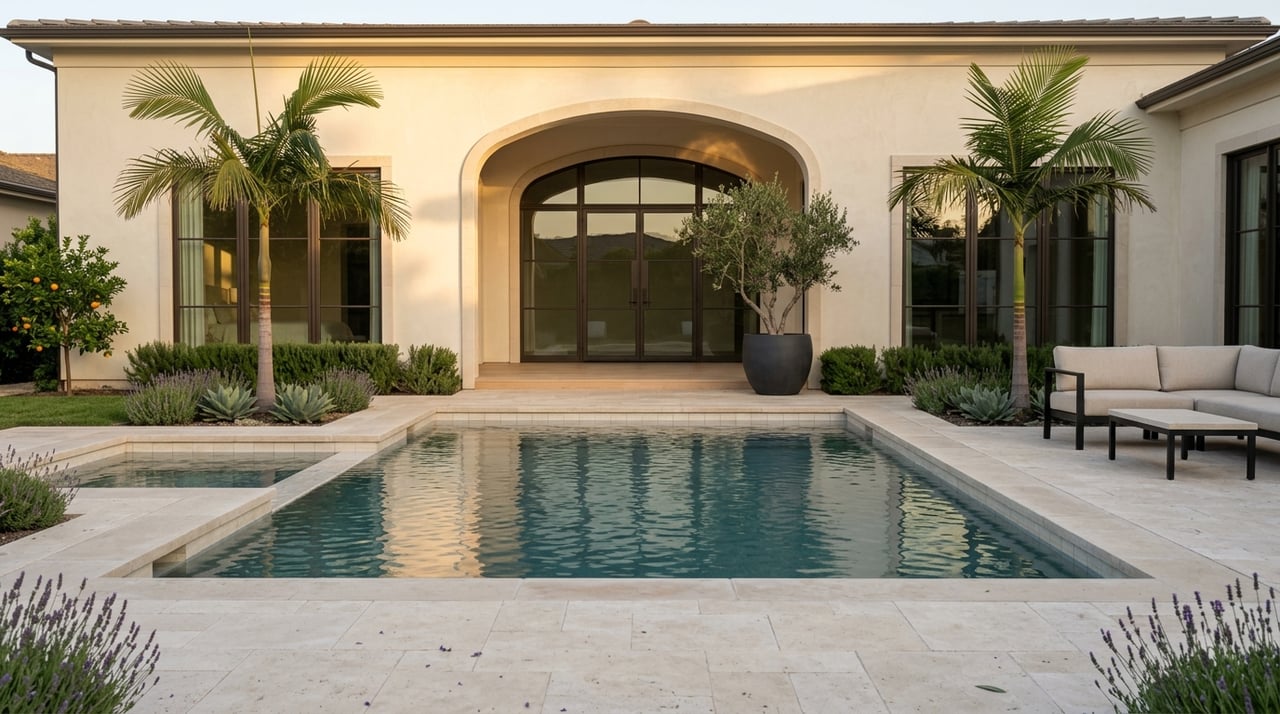
Hillside settings invite vanishing-edge pools and view terraces. These designs can be spectacular, yet they often require structural retaining, soil reports, and careful drainage, which can trigger the Site Development process. Plan access for equipment and coordinate pool barriers that work with your slope and architecture. California’s pool-safety standards on barriers, alarms, and anti-entrapment drains will be part of your building permit. Pool safety requirements
Practical tip: If you want the view without a large structure, a low-profile pool integrated into a terrace keeps visual bulk down and often blends better with the hillside. A sleek spa paired with a modest lap pool can deliver year-round function with simpler engineering.
Outdoor kitchens and electrification
Outdoor kitchens usually need electrical, plumbing, and sometimes gas permits. The Town has noted local green-building direction and electrification guidance, so confirm current rules before you trench for new gas lines. Many owners now choose induction cooking and electric heaters for lower on-site emissions and easier approvals in new construction. Place equipment pads and tanks out of primary defensible-space zones and allow discreet service access. Town green-building note
Fire features with safety in mind
Your fire feature should balance ambiance and safety. Local fire guidance often favors contained gas or propane systems with proper clearances, rather than open wood-burning setups. Keep any flame source away from vegetation and structures, and confirm storage practices for fuel. If you plan a chimney or tall fireplace, consider height limits and screening so it fits the hillside context. Defensible space basics
Hardscape, drainage, and erosion control
Retaining walls, steps, and patios should follow the land whenever possible. Minimize wall height that is visible from public vantage points and choose natural-tone materials with planting to soften edges. Engineered drainage and slope stabilization may be required for larger paved areas. Keep grading in check to reduce complexity and protect the site’s character. Grading and drainage references
Landscape that is water-wise and fire-smart
Pair Mediterranean or native planting palettes with defensible-space principles. Group plants by water need, concentrate irrigated gardens closer to the house, and avoid dense fuel near structures. Use smart controllers and efficient systems to reduce water use. Over time, a layered approach with 0 to 5 feet kept lean and tidy, 5 to 30 feet thinned and well irrigated, and 30 to 100 feet strategically managed supports both beauty and resilience. Defensible space guidance
Lighting, access, and dark skies
Los Altos Hills favors low-glare, downward-shielded lighting to preserve the night sky. Keep fixtures warm and subtle, avoid over-lighting ridgelines, and prioritize safe paths and steps. Ensure driveway and fire access grades meet standards so emergency responders can reach the site. These choices maintain your view quality and keep the setting calm. Town exterior lighting notes
Resale: invest where buyers notice
Los Altos Hills is a top-tier Silicon Valley market, with recent snapshots placing the median sale price around 5.35 million dollars. That means outdoor investments should be proportionate to your home and lot and executed at a high standard. Buyers prize framed long-range views, privacy, and low-maintenance landscape that respects fire safety. Complete, integrated entertaining areas often show well: think a thoughtfully scaled pool and spa, covered dining with weather-resistant cooking, and seating zones that flow from the interior.
Keep long-term ownership in mind. Pools and outdoor kitchens tend to be positive features in this luxury segment, but they come with ongoing water, energy, and maintenance costs. A clean design, durable materials, and good access for service can help keep operating costs in check and protect appeal at resale.
Plan your project: quick checklist
- Start with a pre-application meeting to confirm process, submittals, and likely timing. Bring a current topographic survey and site worksheets. Site Development process
- Ask if your design will trigger a Site Development Permit based on grading, walls, or accessory structures. Understand visibility concerns and story-pole requirements early.
- Map protected trees and review view rules. Engage an arborist if removals or pruning are part of your plan. View and tree rules
- For sloped lots, hire a geotechnical engineer before finalizing the layout of pools, terraces, and major walls. Grading and geotechnical references
- Schedule a fire-safety walkthrough and build defensible space into your design. LAHCFD defensible space
- Confirm your water retailer to target the right rebates and plan smart irrigation and pool water-conservation features. Find your water provider
- Choose a coordinated team: landscape designer, civil or structural engineer, geotechnical engineer, licensed pool contractor, and a builder familiar with the Town’s process. Town process overview
- Expect permits for pools, grading where applicable, and all utility work for outdoor kitchens. Plan inspections into your schedule to avoid delays.
Designing outdoor living in Los Altos Hills is a chance to create a private retreat that feels tailored and timeless. When you anchor your plan in the hillside, respect fire and water realities, and navigate permits with a clear path, the result can elevate both daily life and long-term value. If you are exploring a sale or planning improvements ahead of listing, expert guidance on what resonates with local buyers can help you invest with confidence.
Considering a project or a sale in Los Altos Hills? For thoughtful strategy on design decisions that support market value, connect with Douglas Marshall for a high-touch consultation.
FAQs
What permits do I need for a pool in Los Altos Hills?
- Pools often require building permits for the pool shell and systems, and Site Development review if grading, retaining walls, or accessory structures reach Town thresholds; start with a pre-application meeting to confirm your path. Process details
How does wildfire defensible space affect my outdoor design?
- You should create layered clear zones around the home, choose fire-wise plantings, and place combustible features with proper setbacks to align with local guidance. Defensible space guidance
Are gas fire pits allowed outdoors in Los Altos Hills?
- Contained gas or propane systems are commonly recommended for safety, but always confirm setbacks, fuel storage, and any local restrictions with the fire district and Town before you build. Safety basics
How do slopes change pool design and cost?
- Slopes usually require soils and geotechnical reports, engineered retaining, and drainage, which add complexity and can trigger Site Development review; plan for these needs from the start. Grading references
How do I find water rebates for my Los Altos Hills property?
- First confirm your retailer using Valley Water’s tool, then explore programs like smart controllers or lawn-to-garden through your provider, such as Cal Water. Find your retailer and Cal Water programs