Wondering what it really takes to buy a luxury home in Saratoga? In this market, the challenge is rarely just finding a beautiful property. It is knowing how to evaluate the lot, the permit history, the future potential, and the speed of the local market before someone else moves first. This guide will help you understand what matters most so you can buy with more clarity and confidence. Let’s dive in.
Saratoga Luxury Market Basics
Saratoga is a residential community of about 31,000 known for its semi-rural character, mature trees, and prestigious residential setting. Those qualities are part of what supports long-term property appeal and pricing in the area.
Recent public market snapshots all point to a competitive luxury environment, even though the numbers vary by platform. As of March 2026, Zillow reported an average home value of $4,189,623 and about 45 homes for sale, with homes going pending in around 10 days. Realtor.com reported a median listing price of $3,769,000, 26 median days on market, and a 105% sale-to-list ratio, while Redfin showed a median sale price of $4,100,000 with single-family homes selling in about 7 days and a 107.5% sale-to-list ratio.
The takeaway is simple: Saratoga luxury homes can move quickly, and strong properties may attract aggressive competition. If you are buying here, preparation matters as much as budget.
Why Lot Quality Matters
In Saratoga, the lot often matters just as much as the house itself. A large estate parcel may look impressive at first glance, but usability can be affected by easements, slope, access, and city development standards.
The city notes that property boundaries should be confirmed by survey. Easements can reduce net site area, and slope over 10% can reduce the net site area used for floor-area calculations. If you are paying a premium for expansion potential, those details are worth checking early.
This becomes even more important in hillside or creek-adjacent locations. Saratoga requires geotechnical clearance for new structures, additions, and basements in areas with geologic constraints, including parts of the hillsides and parcels near creeks.
For many buyers, mature trees, privacy screening, and established landscaping are major reasons to choose Saratoga. The city also emphasizes that its rural attractiveness and trees are closely tied to property values, so landscape features are not just aesthetic. They can be part of the value equation.
Architectural Variety Can Change Value
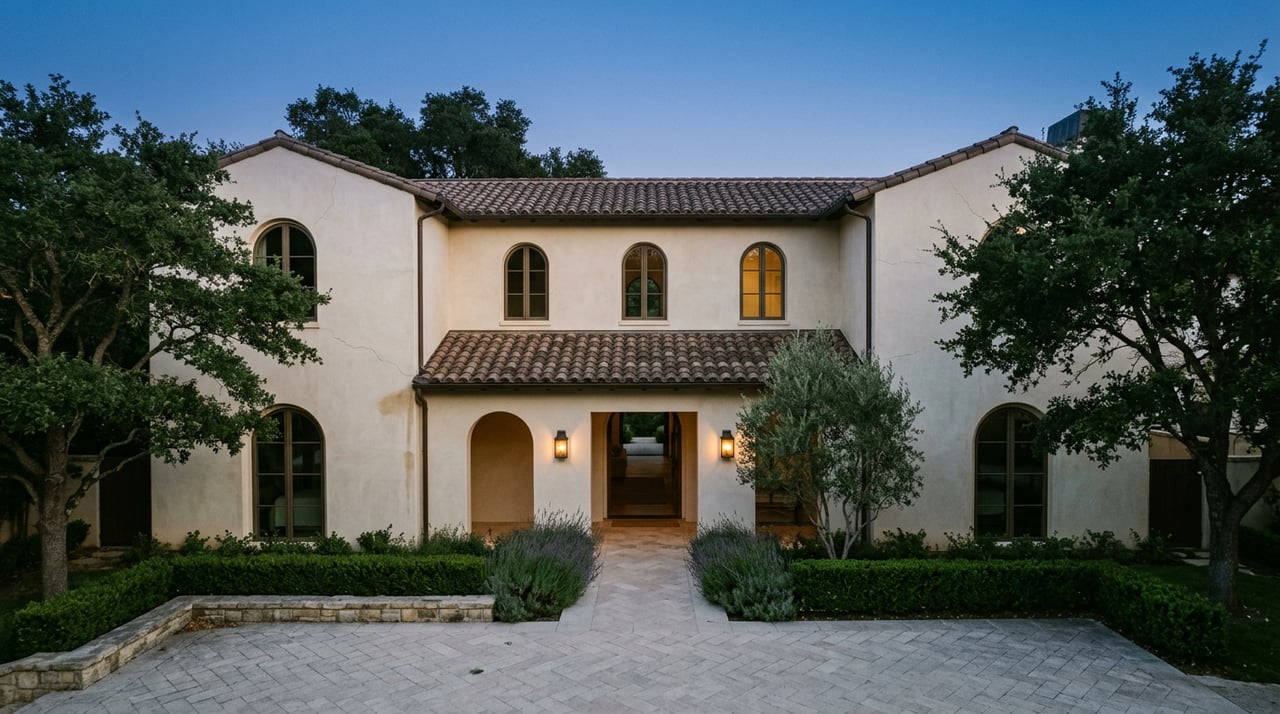
One of Saratoga’s strengths is its broad mix of home styles and eras. The city’s Heritage Resources Inventory identifies homes from the 1850s to today, including early-American farmhouses, Victorian-era homes, Craftsman bungalows, Spanish Eclectic, Mission Revival, Tudor Revival, Colonial Revival, Ranch-style houses, Modern designs, and Bay Regional homes.
That variety gives you more choices, but it also means quality can vary widely from one property to the next. In the luxury tier, square footage alone does not tell the whole story. You also want to know whether the home’s layout, additions, renovation work, and setting truly support its asking price.
For example, Saratoga Ranch homes are often single-story and landscape-oriented, while Modern and Bay Regional homes may feature flat roofs, large windows, and simple forms that fit into foothill sites. A well-executed home in any of these styles can be compelling, but the design, condition, and site fit should all make sense together.
Remodeling Potential Is Not Automatic
Many luxury buyers are not only purchasing a home for today. They are also buying future options, such as a major remodel, an addition, a basement, or even a rebuild. In Saratoga, those possibilities can depend heavily on local review rules.
The city says new houses, accessory structures over 250 square feet, major additions over 50%, second-story changes, and basement additions can trigger design review. Projects that meet objective standards may follow a ministerial path, while nonconforming projects may require discretionary review and neighborhood notices.
That distinction matters if you are targeting a property for long-term customization. A home that looks like a great canvas may come with design constraints, review timelines, or site limitations that affect cost and timing.
Near Saratoga Village, future changes may require even closer study. The city adopted Village Design Standards on April 1, 2026, to preserve historic character through objective development standards in that area.
ADUs and Guest Houses Need Verification
A guest house, detached studio, or secondary living space can add real value, but only if it is legal and usable. In Saratoga, you should verify exactly how the structure was permitted before you assume it can function as an ADU or future rental space.
The city allows ADUs on most residential properties. On a lot with an existing or approved single-family home, Saratoga allows one attached ADU, two attached JADUs, and one detached ADU. Detached ADUs generally max out at 1,200 square feet, and the ADU and main home must share the same driveway access to the street.
The city also notes that ADUs can be useful for loved ones, future flexibility, added income, or downsizing later. However, ADUs may be rented, but not as short-term rentals.
If a detached guest structure is not clearly an ADU, verify whether it was permitted as an accessory structure instead. That matters because setbacks and allowed use can differ based on zoning and how the structure was originally approved.
Fire Zones and Site Conditions Matter
Some of Saratoga’s most appealing estate settings come with additional site considerations. The city’s Wildland Urban Interface predominantly covers the western hillsides, where brush abatement rules apply and certain structure-hardening measures are encouraged.
If a property is in a WUI area or flood zone, added building-code requirements may apply. Saratoga also notes that permits are generally required before construction, alteration, repair, or demolition, including common items such as ADUs, garage conversions, decks, and other structural work.
For buyers thinking ahead, this can affect both renovation planning and ownership costs. It is wise to understand fire-zone status, site access, and any additional compliance issues before you write a competitive offer.
Access, Frontage, and Driveway Plans
Estate buyers often think about gates, circular drives, wider access, retaining walls, or frontage upgrades soon after closing. In Saratoga, some of those improvements may require encroachment permits.
The city notes that driveway changes, curb work, circular drives, and some retaining-wall or frontage improvements can trigger permit requirements. If frontage presentation or vehicle access is part of your long-term vision for the property, these rules are worth checking in advance.
This is especially true on larger lots where the entrance experience contributes to the home’s overall appeal. A grand approach may be possible, but it should be confirmed rather than assumed.
Vineyard Appeal Versus Vineyard Use
Saratoga’s history is tied to orchards and vineyards, and that legacy still shapes the feel of some luxury properties. Vineyard character can enhance estate appeal, but lifestyle atmosphere is not the same as commercial operational rights.
The city’s history materials make that distinction clear. While vineyard-related properties can be visually distinctive, operational wine use may require extra approvals, environmental review, access planning, and fire-safety considerations.
If you are drawn to a property because of vines, agricultural character, or event-style outdoor potential, make sure you understand what is allowed. The visual charm may be immediate, but the legal use matters just as much.
How to Compete in Saratoga
In a market where many desirable homes move in a week or two, decisiveness is important. Clean, well-documented offers can stand out, especially in the luxury segment where buyers may be less dependent on mortgage financing.
That does not mean you should rush blindly. It means you should do your homework early so you can move fast when the right home appears.
Before writing an offer, focus on a short list of key checks:
- Confirm permit history
- Review title easements
- Verify lot boundaries and survey details
- Check tree impacts if future work is planned
- Confirm fire-zone or flood-zone status
- Understand whether planned improvements would need design review or additional approvals
- Verify how any guest house, detached structure, or ADU was permitted
In Saratoga, a smart offer is not just about price. It is about understanding the property well enough to act with confidence.
What Luxury Buyers Should Prioritize
When you compare high-end homes in Saratoga, it helps to think beyond finishes and staging. The best fit usually balances daily enjoyment with long-term flexibility.
As you narrow your choices, pay close attention to:
- Site usability: slope, easements, privacy, and access
- Improvement quality: original construction, remodel quality, and how additions integrate with the home
- Future options: room to expand, rebuild, or add an ADU within city rules
- Location-specific constraints: hillside conditions, WUI status, creek adjacency, or village-area standards
- Lifestyle fit: outdoor space, landscaping, and how the property supports the way you want to live
In a place like Saratoga, luxury value often comes from the full package. The home, the lot, the setting, and the legal flexibility all work together.
Buying a luxury home here takes more than a quick walk-through and a strong budget. You need a clear read on market speed, site conditions, permit history, and future potential so you can make a smart move without second-guessing it later. If you are planning a Saratoga purchase and want grounded local guidance, connect with Douglas Marshall for strategic support in one of Silicon Valley’s most competitive luxury markets.
FAQs
What is the current luxury home market like in Saratoga?
- Recent March 2026 market snapshots show Saratoga luxury homes in roughly the $3.3 million to $4.2 million range, with many homes selling quickly and often above list price.
What should you verify before buying a luxury property in Saratoga?
- You should verify permit history, survey details, title easements, fire-zone or flood-zone status, tree impacts, and whether future plans would trigger design review or other city approvals.
Can you add an ADU to a Saratoga luxury home?
- In many cases, yes. Saratoga allows ADUs on most residential properties, but size, type, driveway access, and property conditions all matter.
Why does lot shape and slope matter when buying in Saratoga?
- Easements and slope can reduce usable site area and may affect floor-area calculations, expansion plans, and the overall value of a large parcel.
Do guest houses in Saratoga automatically count as legal ADUs?
- No. A detached guest structure may have been permitted as an accessory structure instead of an ADU, so you should confirm its legal status and allowed use.
Are there special rules for Saratoga hillside or village-area properties?
- Yes. Hillside and creek-adjacent parcels may require geotechnical clearance or face added fire-related standards, and some properties near Saratoga Village may be affected by updated Village Design Standards.