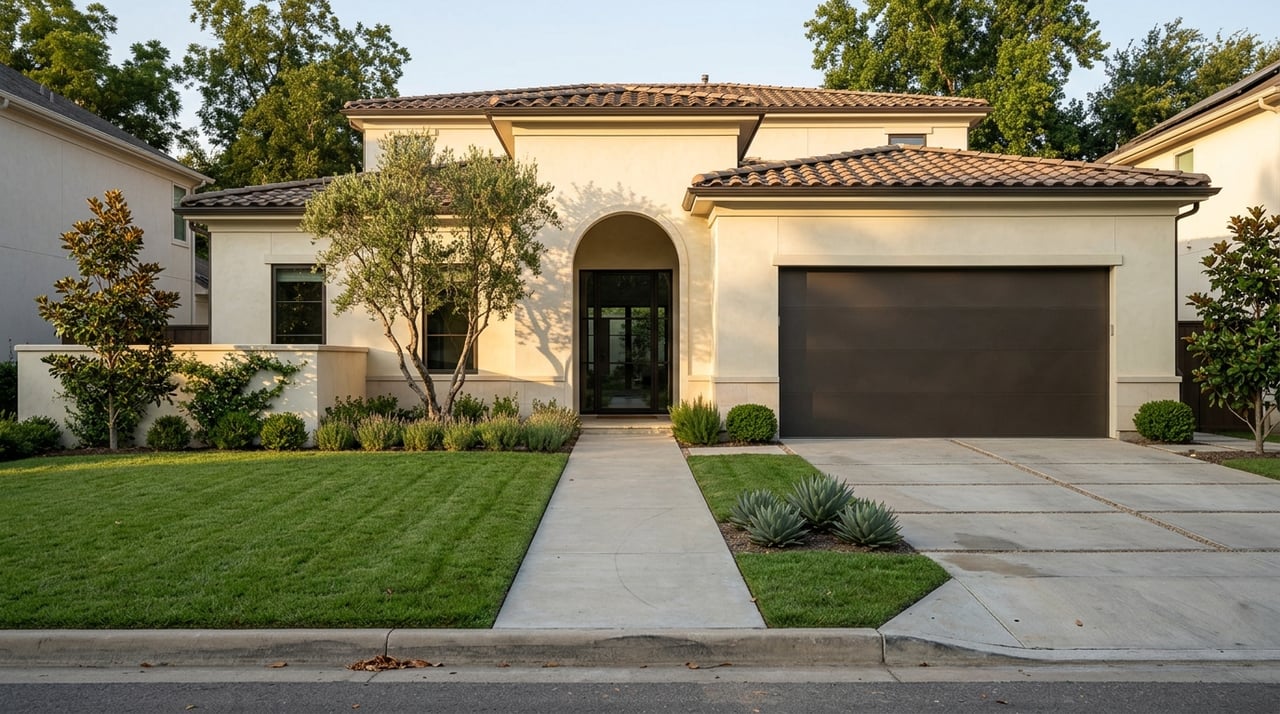
If you are considering a move in Silicon Valley, Santa Clara can be easy to overlook at first glance. It does not always market itself with the same name recognition as some nearby cities, but once you look closer, you find a place with a strong residential feel, a broad mix of housing, and solid daily convenience. If you want a realistic picture of what living in Santa Clara feels like, this guide will walk you through the city’s neighborhoods, housing, parks, dining patterns, and commute setup. Let’s dive in.
Santa Clara at a Glance
Santa Clara is a compact city of 133,446 residents spread across about 19.3 square miles. City information describes tree-lined neighborhoods and about 300 days of sunshine, which helps explain why the area often feels active and livable year-round.
It also stands out for its diversity. Census-based city information shows that 45.4% of residents are foreign-born, and 57.1% speak a language other than English at home. For you as a resident, that can translate into a city that feels internationally connected while still being grounded in neighborhood life.
Another practical advantage is location. Santa Clara sits in the middle of the broader Silicon Valley economy, so you get a city that feels residential on a day-to-day basis while staying closely tied to major job centers and commuter routes.
Neighborhoods Feel Layered, Not Uniform
One of the most useful things to know about Santa Clara is that it does not have just one look or one neighborhood type. The city feels layered, with older historic areas, classic mid-century blocks, and newer transit-oriented development all existing within a relatively small footprint.
That mix can be a real plus if you want options. Depending on where you focus, Santa Clara can feel more traditional, more suburban, or more connected to newer mixed-use growth.
Old Quad and the Historic Core
The Old Quad is Santa Clara’s historic core and original town square. City records describe it as the oldest portion of Santa Clara, and historic inventories note many original Victorian homes in the area.
That history gives the neighborhood a different texture than newer parts of the city. Instead of a uniform suburban pattern, you may notice older homes, varied architecture, and blocks that feel more established and layered over time.
Downtown and the university-adjacent area also play an important role in the city’s identity. Santa Clara’s Downtown Precise Plan frames downtown as a symbolic city center and a future pedestrian-oriented gathering place, which helps explain why this part of town carries civic and social importance beyond just housing.
Central Santa Clara’s Mid-Century Streets
Many parts of central Santa Clara reflect the city’s postwar growth. A city appraisal describes blocks north of El Camino Real as mid-1950s neighborhoods with single-story ranch-style wood-frame homes, along with some two-story low-rise apartment buildings.
If you picture classic suburban Silicon Valley, this is often what you are seeing. The streets tend to feel practical and established, with older housing stock, modest lot sizes, and gradual infill rather than large-scale redevelopment all at once.
For many buyers, these neighborhoods offer a familiar residential rhythm. You may find the appeal is less about dramatic scenery and more about central location, everyday livability, and a straightforward neighborhood feel.
Newer North and East Growth Areas
Santa Clara is largely built out, so newer development has been concentrated in the northern part of the city and in transit-oriented areas. City planning documents identify Rivermark as a newer, higher-density residential neighborhood, while the Tasman East area is being shaped as a high-density neighborhood with supportive retail.
This creates a very different experience from the older ranch-home districts. In these newer areas, you are more likely to see townhomes, apartments, mixed-use planning, and a layout designed around transit access and denser residential living.
The Santa Clara Station area also reflects this forward-looking pattern. It is planned around Caltrain, ACE, VTA bus service, and future BART connectivity, giving some parts of the city a more rail-oriented and connected feel than you might expect.
Housing Options Are More Varied Than Many Expect
A lot of people assume Santa Clara is mostly a single-family home city. In reality, city planning and housing data show a much broader housing mix.
Santa Clara’s land-use rules allow detached homes, townhomes, rowhouses, duplexes, and larger apartment communities. That matters because it means your home search can look very different depending on your budget, lifestyle, and preferred part of the city.
The city’s 2023 Housing Element describes the current housing stock as 55% multifamily and 40% single-family. Taken together with older city data, the larger point is clear: Santa Clara has evolved into a mixed housing market rather than staying limited to one housing style.
For buyers, that means you may see:
- Historic homes near the city core
- Mid-century ranch houses in central neighborhoods
- Townhomes in newer planned districts
- Larger apartment communities near transit and major corridors
For sellers, this variety matters too. A home’s value and likely buyer pool can shift significantly based on whether it sits in an older residential tract, a historic pocket, or a newer transit-oriented area.
Daily Life Centers on Parks, Corridors, and Convenience
Living in Santa Clara often feels more practical than flashy. It is a city where many lifestyle advantages show up in the flow of everyday life, including parks, local services, and easy access to dining and retail corridors.
That can be especially appealing if you want a location that supports busy routines without requiring long drives for basic amenities.
Parks Are a Real Strength
Parks are one of Santa Clara’s most visible lifestyle assets. Central Park is a 52-acre city park with athletic fields, tennis courts, picnic areas, a lake, and a community recreation center, making it a major everyday gathering space.
You also have Ulistac Natural Area, a 40-acre open space dedicated to restoring native habitat. If you value outdoor access that feels a little quieter and more nature-focused, that is a meaningful contrast to the more programmed activity you find at larger civic parks.
Agnew Park adds another layer to the city’s park system as a renovated neighborhood park. Together, these spaces help support a lifestyle that feels active and balanced without needing to leave the city.
Dining Is Spread Out, Not Locked Into One District
Santa Clara does not revolve around a single dominant restaurant district. Instead, dining tends to be more corridor-based, with food and casual dining often tied to El Camino Real, shopping-center areas, and downtown or Santa Clara University-adjacent blocks.
For you, that means dining is often convenient rather than concentrated. You may not be choosing Santa Clara for one compact dining destination, but you do get a city pattern where restaurants, cafes, and everyday services are woven into the places people already go.
Downtown planning may continue to shape a more pedestrian-oriented gathering place over time. Even so, the current feel is still more distributed than centralized.
Stadium Energy Is Part of the Experience
Levi’s Stadium is one of the clearest lifestyle markers in Santa Clara. Located at 4900 Marie P. DeBartolo Way and seating about 70,000, it is home to the San Francisco 49ers and a major venue for large events.
On ordinary days, that may not define your experience of the city. On event days, though, the Tasman and Great America corridor can feel very different, especially when it comes to traffic, parking, and the overall pace of the area.
The stadium is served by VTA light rail, buses, ACE and Capitol Corridor connections, and Caltrain connections. That transportation access helps manage large crowds, but if you plan to live nearby, it is smart to understand how event activity can shape your routine.
Getting Around Santa Clara
Transportation is a major part of daily life here. Santa Clara is unusually well connected for a city of its size, with Highway 101, Highway 237, Interstate 880, El Camino Real, Central Expressway, San Tomas Expressway, and Lawrence Expressway all playing a role in local travel.
That level of access is a major convenience, but city documents also note that these roads can be heavily congested during commute hours. In other words, the location is strong, but timing still matters.
Driving Still Matters
For many residents, driving remains the default for daily errands and work trips. Santa Clara’s layout and freeway network make car travel practical, especially if your routine takes you across the South Bay.
If you are moving from a denser urban setting, the city may feel more car-oriented than expected. If you are moving from a more suburban area, it may feel familiar but better connected.
Transit Is Meaningful Here
Public transit is not just a side feature in Santa Clara. VTA provides bus, light rail, and paratransit service countywide, while the Santa Clara Transit Center is served by Caltrain, ACE, and VTA bus service.
VTA’s BART Phase II project also plans a Santa Clara Station next to the Caltrain station, with connections to Caltrain, Capitol Corridor, ACE, and several VTA bus lines. That does not mean every resident will use transit every day, but it does make transit a realistic option in ways that stand out for a suburban Silicon Valley city.
What Living in Santa Clara Really Feels Like
The best way to describe Santa Clara is balanced. You get a historic core, classic mid-century neighborhoods, newer housing districts, useful park access, and a transportation network that supports both driving and transit.
It is not a one-note city, and that is part of its appeal. Santa Clara can work for buyers who want centrality, a range of housing choices, and a day-to-day lifestyle that feels grounded and practical.
If you are comparing Silicon Valley communities, Santa Clara is worth a closer look. Its value often becomes clearer once you understand how much variety and convenience are packed into a relatively compact city.
If you are weighing a move to Santa Clara or planning your next sale in the area, working with a local advisor can help you understand how one part of the city may fit your goals better than another. To start the conversation, connect with Douglas Marshall.
FAQs
What is the overall vibe of living in Santa Clara?
- Santa Clara generally feels residential, connected, and practical, with tree-lined neighborhoods, strong commuter access, a diverse population, and a mix of older and newer housing areas.
What kinds of homes can you find in Santa Clara?
- Santa Clara has a broad housing mix that includes detached homes, townhomes, rowhouses, duplexes, and larger apartment communities, with historic homes near the core and newer multifamily housing in transit-oriented areas.
What is the Old Quad area like in Santa Clara?
- The Old Quad is Santa Clara’s historic core and original town square, known for older homes, including Victorian-era properties, and a more layered, established neighborhood character.
Is Santa Clara more car-oriented or transit-friendly?
- Santa Clara is both. Many residents still drive because of the city’s freeway and expressway network, but transit options are meaningful thanks to VTA, Caltrain, ACE, and planned future BART connectivity.
Are there good parks in Santa Clara?
- Yes. Santa Clara has notable park assets including Central Park, Ulistac Natural Area, and Agnew Park, offering a mix of recreation space, open space, and neighborhood amenities.
What should you know about living near Levi’s Stadium in Santa Clara?
- Living near Levi’s Stadium can mean extra activity on event days, especially around the Tasman and Great America corridor, where traffic, parking, and the pace of the area can change noticeably.